
Introduction
The first time I truly noticed duct detectors, it wasn’t during a presentation or code review. It was during a quiet maintenance walk-through in a hospital basement. No alarms blaring. No panic. Just air moving through metal ducts like it always does. That’s when it hit me. If something goes wrong here, it won’t announce itself politely. It’ll travel. Fast. Through the HVAC. And by the time people smell smoke, it’s already too late.
Honestly, that moment changed how I look at fire detection inside air systems.
Why HVAC fire detection feels invisible until it isn’t
Most people think fires start in rooms. Desks, equipment, wiring closets. That’s true. But smoke doesn’t respect room boundaries. It follows airflow. In real life, HVAC systems become highways for smoke, carrying danger far beyond the original source.
That’s where duct detectors quietly do their job. They sit inside that moving air, watching, waiting, never asking for attention. Until they absolutely need to.
The uncomfortable truth about “out of sight” systems
To be frank, anything hidden above ceilings or inside ducts gets ignored. Until inspections. Or worse, incidents.
From my experience, the biggest HVAC-related fire risks don’t come from dramatic explosions. They come from slow, unnoticed smoke spread. A failed motor. Overheated wiring. Something small that grows legs once the fans kick in.
This is why a properly placed duct smoke detector matters more than most people realize.
Mission-critical buildings don’t get second chances
Hospitals. Data centers. Airports. Industrial facilities. These places don’t have the luxury of “we’ll fix it later.” Evacuations cost money. Downtime costs trust.
In environments like these, duct detectors aren’t optional accessories. They’re part of operational survival.
I’ve seen control rooms go silent because smoke moved through ducts faster than expected. I’ve also seen systems shut down cleanly because detection happened early enough to isolate the problem.
Those outcomes depend on decisions made long before anything goes wrong.
How duct detection actually protects people, not just equipment
People assume HVAC fire detection is about protecting machines. That’s only half the story.
Smoke inside air ducts doesn’t just damage equipment. It reaches occupied spaces. Patient rooms. Server halls. Office floors. And when people breathe that smoke, even for a short time, consequences stack up fast.
That’s why duct detectors play a human role. They’re not dramatic heroes. They’re quiet guardians that reduce exposure before anyone knows they’re at risk.
Choosing the right detector is more about behavior than specs
Spec sheets look impressive. Sensitivity levels. Air velocity ratings. Listings and approvals. All important, sure.
But what really matters is how a detector behaves in the real world.
From my experience, a good duct smoke detector doesn’t overreact. It doesn’t ignore early signs either. It lives comfortably in turbulent airflow, dust, pressure changes, and still does its job without constant false alarms.
That balance is harder to achieve than manufacturers like to admit.
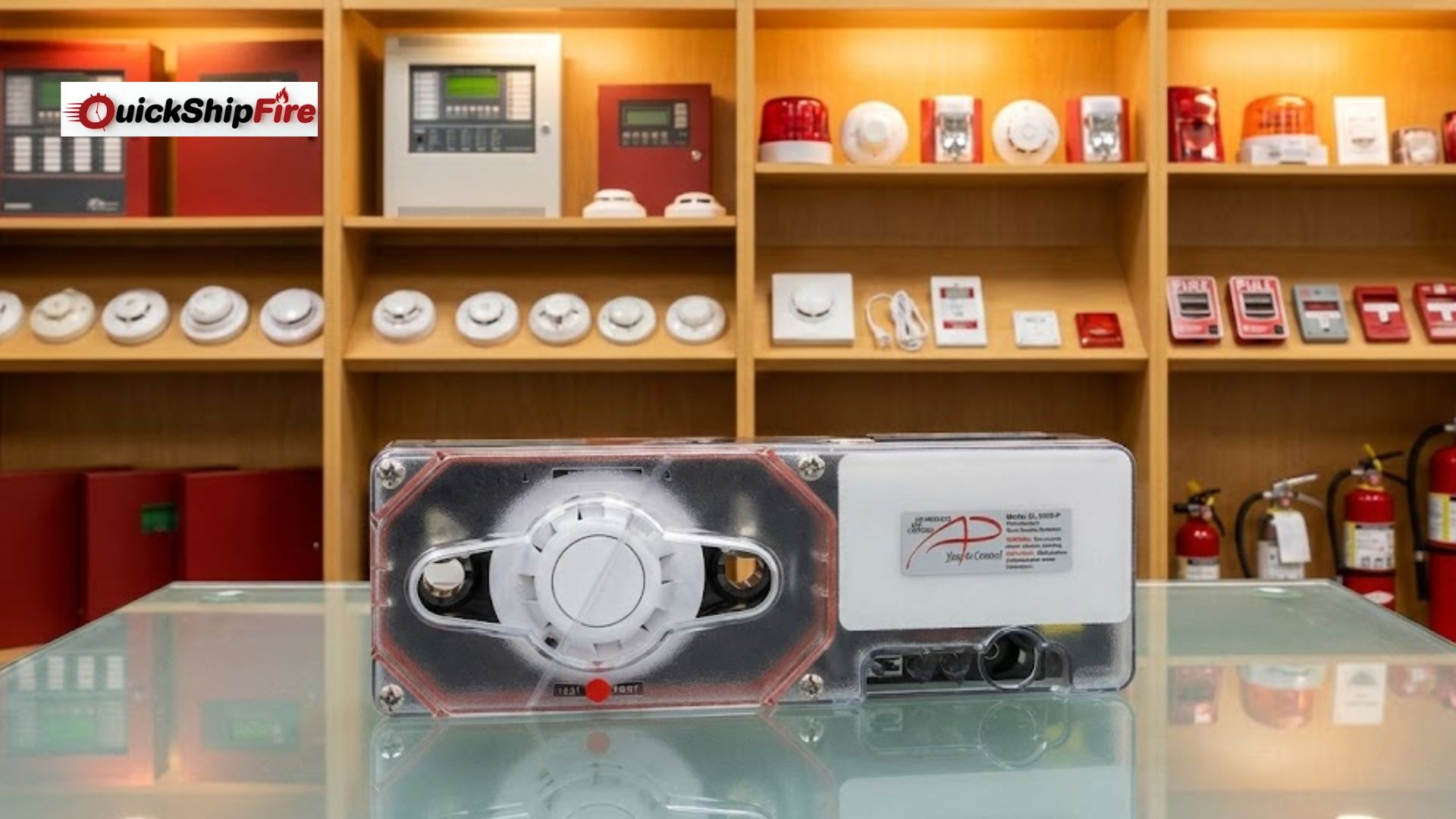
Read more : Duct Smoke Detectors for Industrial, Commercial & High-Airflow Environments
A word about reliability and long-term trust
I’ve worked on sites where detectors were replaced every few years because nobody trusted them anymore. Nuisance alarms killed confidence. Maintenance teams started bypassing signals. That’s dangerous territory.
Reliable duct detectors earn trust over time. They behave consistently. They alarm when they should, not when they feel like it.
That trust changes how people respond when something actually happens.
Addressing smoke before it becomes a system-wide problem
HVAC systems are designed to move air efficiently. Unfortunately, they’re also very good at spreading smoke.
This is where duct detectors quietly interrupt the chain reaction. Detection triggers fan shutdowns. Dampers close. Smoke movement slows down or stops completely.
That pause buys time. Time for investigation. Time for response. Time for people to stay safe.
The role of brand familiarity in critical systems
Let’s be real. In critical infrastructure, familiarity matters. Engineers and contractors stick with what they know works.
I’ve seen System Sensor Duct Detector models specified again and again, not because of marketing, but because teams remember how they behaved during real incidents and inspections.
When something performs reliably under pressure, word spreads.
Installation mistakes that cause big headaches later
This part doesn’t get talked about enough.
Poor sampling tube placement. Wrong duct size assumptions. Ignoring airflow direction. These mistakes undermine even the best equipment.
No matter how advanced duct detectors are, bad installation will make them look unreliable. And once trust is gone, getting it back is hard.
Common issues I’ve seen more than once
- Incorrect tube length for duct width
- Detectors installed too close to bends or dampers
- Maintenance access completely ignored
These aren’t design flaws. They’re human oversights.
Living with duct detection after commissioning
Once the project wraps up, the real test begins. Daily operation. Seasonal airflow changes. Renovations nobody updates the drawings for.
Good duct detectors adapt quietly. They don’t demand constant recalibration. They don’t turn into noise generators.
Maintenance teams appreciate that more than they’ll ever say out loud.
Smoke detection vs smoke control, they’re connected
Detection alone doesn’t save buildings. Action does.
A well-integrated duct smoke detector triggers responses that limit damage. Fan shutdown. Fire alarm notification. Control system alerts.
When those systems talk to each other cleanly, incidents stay manageable instead of catastrophic.
Why consistency across large facilities matters
In multi-building campuses, consistency reduces confusion. Using the same detector types, interfaces, and maintenance procedures simplifies training and response.
That’s another reason System Sensor Duct Detector products often show up in standardized designs. Familiarity reduces hesitation during emergencies.
Code compliance is the baseline, not the finish line
Meeting code is required. But stopping there is risky.
Codes define minimums. Real-world risks demand more thought. Airflow patterns, occupancy types, mission impact. These factors go beyond checklists.
Thoughtfully applied duct detectors address how buildings actually behave, not just how drawings look.
FAQ from actual conversations on job sites
Do duct detectors replace spot smoke detectors?
No. They work together. One watches the air system, the other watches the room.
Are they required in all HVAC systems?
Not all, but many commercial and critical systems require them depending on code and application.
How often do they need maintenance?
Typically during scheduled fire alarm inspections, but access planning makes a huge difference.
Do they shut down the HVAC automatically?
When properly integrated, yes. That’s one of their main jobs.
Are false alarms common?
They can be if installed poorly. Good design and placement reduce that risk a lot.
Is one brand really better than another?
From experience, consistency and reliability matter more than flashy features.
Conclusion
Fire safety inside HVAC systems isn’t dramatic. It’s quiet, hidden, and easy to forget. But when things go wrong, it’s often the deciding factor between control and chaos.
I’ve seen how duct detectors protect people without anyone noticing. That’s their strength. They don’t demand credit. They just work. And in mission-critical environments, that quiet reliability is exactly what you want when seconds matter most.