
Introduction
Most people think about fire safety only when they see alarms on walls or ceilings. But smoke does not always stay in one room. It travels fast through HVAC systems. That is why duct detectors play such a serious role in commercial fire safety.
I have seen many projects where contractors focus on visible areas and forget what is hidden above ceilings. That is risky thinking. duct detector help catch smoke early inside the air system before it spreads across the whole building. For large facilities, this small device can mean everything.
What Are Duct Detectors and Why They Exist
HVAC systems move air constantly. If smoke enters those ducts, it moves fast. duct detectors are designed to monitor that airflow and sense smoke before it travels far.
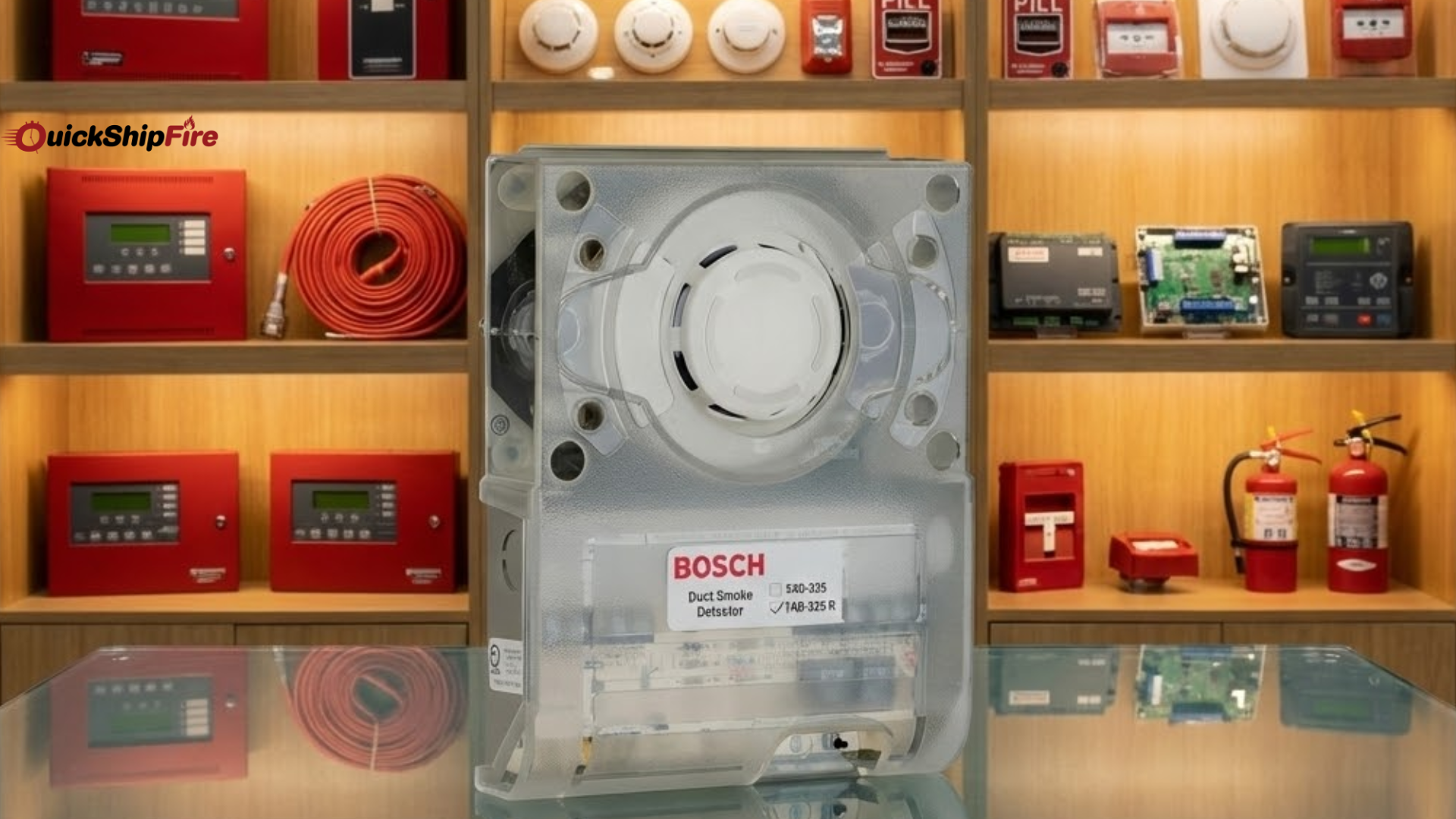
Unlike standard spot detectors, these devices sit directly in or around the ductwork. A duct smoke detector is not about room protection. It is about system protection. That difference is important and many people do not realize it until later.
Why HVAC Smoke Detection Is Not Optional Anymore
Commercial buildings today are larger, tighter, and more complex. Smoke control codes are stricter now. duct detectors help meet those requirements without adding stress during inspections.
When smoke is detected early, HVAC systems can shut down or trigger alerts. That reduces smoke spread and protects occupants. Many inspectors now expect duct detector as part of a proper fire protection plan.
How Professional Duct Detectors Actually Work
Most duct detectors use sampling tubes that pull air from inside the duct. That air is tested for smoke particles. If smoke is found, the detector sends a signal to the fire alarm system.
This method works even when smoke is thin or slow moving. That is why a System Sensor Duct Detector is often chosen for commercial projects. It offers steady detection without constant false alarms.
Installation Experience From Real Job Sites
Nobody likes complicated installs. On busy job sites, time is always tight. duct detector are usually mounted directly onto the duct surface, and professional models are designed to fit both round and rectangular ducts.
Installers appreciate equipment that does not fight back. In my opinion, duct detector that install cleanly save hours over the course of a project. That time saving is real, not just marketing talk.
Reliability Over Years of Operation
Fire safety equipment should not be noisy or demanding. duct detector are meant to sit quietly and work when needed. A good unit stays stable even with dust, airflow changes, and temperature shifts.
Facilities teams often say once duct detectors are installed properly, they forget about them. That is a good thing. Safety equipment should not create daily problems.
Why Contractors Prefer Proven Brands
Contractors trust what works. When a System Sensor Duct Detector performs well on one job, it usually appears again on the next project. Familiar equipment reduces mistakes and inspection issues.
Many professionals prefer duct detectors that are widely accepted by inspectors. That acceptance avoids delays and uncomfortable conversations during final approvals.
READ MORE : Duct Smoke Detectors for Industrial, Commercial & High-Airflow Environments
Emotional Side of Choosing Fire Safety Equipment
This part rarely gets discussed. Installing fire protection systems carries emotional weight. People know lives depend on these choices. duct detectors may look small, but their role is heavy.
When I talk to contractors, they often say choosing reliable duct detectors helps them sleep better at night. That peace of mind matters more than saving a few dollars.
Where Duct Detector Are Most Commonly Used
You will usually see duct detector in hospitals, office buildings, schools, hotels, and large commercial spaces. Any place with complex HVAC systems benefits from them.
In healthcare and education especially, early smoke detection inside ducts is critical. A single duct smoke detector can prevent smoke from reaching occupied spaces too quickly.
Maintenance and Inspection Simplicity
Inspections can be stressful if equipment behaves oddly. duct detectors that respond clearly during tests make inspections smoother.
Maintenance teams like devices that are easy to access and test. A reliable System Sensor Duct Detector supports regular testing without confusion or repeated failures.
Common Mistakes People Make
One common mistake is treating duct detectors as optional. Another mistake is placing them incorrectly or skipping professional installation.
Fire safety is not the place for shortcuts. Properly installed duct detectors work quietly in the background, but when they are needed, they respond fast.
FAQs
1. What is the main purpose of duct detector?
The main purpose of duct detector is to detect smoke inside HVAC systems and prevent smoke from spreading through air ducts.
2. Are duct smoke detector units required by code?
In many commercial buildings, a duct smoke detector is required depending on system size and local fire codes.
3. How often should duct detector be tested?
Most professionals recommend testing duct detector during routine fire alarm system inspections, usually once or twice a year.
4. Do duct detectors shut down HVAC systems?
Yes, when smoke is detected, duct detectors can signal the system to shut down airflow to limit smoke movement.
5. Why choose a System Sensor Duct Detector?
A System Sensor Duct Detector is widely trusted because it offers reliable performance and strong inspector acceptance.
6. Can duct detector reduce false alarms?
When installed and maintained correctly, duct detector help reduce nuisance alarms by focusing on actual smoke movement.
Conclusion
Fire safety inside HVAC systems should never be ignored. duct detector protect areas people cannot see but rely on every day. They quietly monitor airflow, respond early, and help prevent smoke from spreading where it should not go.
From my experience, choosing professional duct detector is not just a technical decision. It is a responsible one. When installed properly, they add a strong layer of protection that supports the entire fire safety system. In commercial buildings, that kind of reliability is not optional, it is necessary.