
Introduction
When buildings go through big upgrades, fire safety is usually part of the conversation. Sometimes it is pushed by new codes, sometimes by insurance, and sometimes because a facility manager just had a close call and does not want to repeat it. From my experience working around large retrofit and improvement jobs, duct detectors often become one of those things people did not think much about until they really sit down and look at the HVAC system and how smoke actually moves.
In real life, smoke does not politely stay in one room. It travels. It rides the air. That is why capital fire safety improvement projects almost always end up talking about what is happening inside the ductwork, not just what is on the ceiling.
Why Capital Improvement Projects Change the Game
Capital projects are not small fixes. These are big budgets, long timelines, and a lot of people involved. Engineers, contractors, inspectors, facility teams, and sometimes corporate leadership all have opinions. Honestly, that is when duct detectors start to matter more, because now the goal is not just to pass inspection. It is to improve the whole system for the next ten or twenty years.
I have seen buildings that had decent fire alarms in rooms but almost nothing protecting the air handling units. That is risky. When you upgrade a system, you get a chance to fix those blind spots. Adding or upgrading duct detectors becomes part of making the building safer in a real, practical way.
How Smoke Really Moves in HVAC Systems
Let’s be real, most people picture smoke rising and setting off a ceiling device. That happens, sure. But HVAC systems can pull smoke fast and move it across floors before anyone smells it. That is where duct-mounted detection earns its place.
From my experience, once smoke gets into return air, it can travel way farther than people expect. A properly placed duct smoke detector can shut down fans, stop smoke spread, and give responders a better chance to isolate the problem.
That is one reason why duct detectors are often written directly into project scopes for major upgrades.
Choosing the Right Equipment for Long-Term Projects
Capital improvement projects are not about cheapest today. They are about what works for years. To be frank, facility managers get tired of nuisance alarms, hard-to-find parts, and systems that are a pain to service.
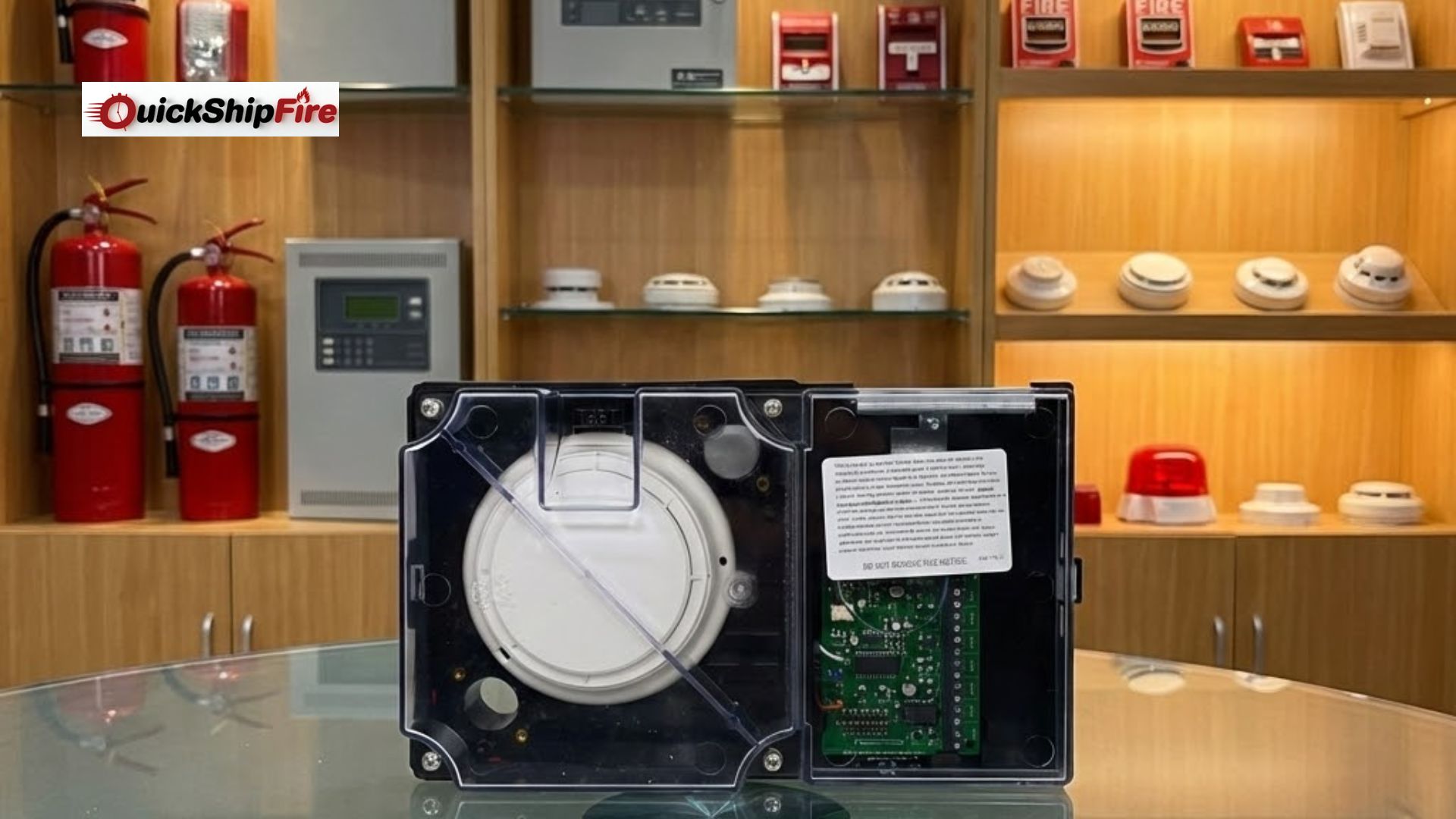
That is why many projects standardize on known products. You will often see teams specify something like a System Sensor Duct Detector because it is familiar, widely accepted, and easy for technicians to support across multiple sites.
When you use the same models across a portfolio, training is easier, spare parts are easier, and troubleshooting is faster. I have seen teams save real money just by being consistent.
The Role of the Duct Smoke Detector in Modern Designs
A duct smoke detector is not just a code checkbox. In modern systems, it is tied into controls, shutdowns, and sometimes even building automation. When smoke is detected, fans can stop, dampers can close, and alerts can go out immediately.
In real life, this kind of response can mean the difference between a contained incident and a building-wide evacuation. That is why project engineers usually take duct detection seriously during capital upgrades.
Using the right duct smoke detector setup helps integrate fire safety with HVAC control instead of treating them like separate worlds.
How Codes and Inspections Drive Better Planning
Codes can feel annoying, but they also push buildings to be safer. During capital projects, inspectors often take a closer look at ductwork and air handlers. If older systems did not have proper duct detection, upgrades become required.
This is where planning ahead matters. Instead of adding one-off fixes, smart teams design a full approach using duct detectors that meet both current codes and future needs.
When inspectors see a well-designed system with proper coverage, it usually makes the approval process smoother. Less back and forth, fewer surprises, and fewer delays.
Real-World Maintenance and What Actually Matters
From my experience, maintenance is where good designs really pay off. If a system is hard to access, hard to test, or uses rare parts, it becomes a headache fast.
That is another reason many teams stick with something like a System Sensor Duct Detector. Technicians know how to work on it. Testing tools are common. Documentation is easy to find. That saves time and stress down the road.
When you install duct detectors that are easy to service, you are not just helping today’s project. You are helping every future technician who has to touch that system.
Things Facility Teams Actually Care About
It is not always the fancy specs that matter most. In real buildings, these are the things people talk about:
- Easy access for testing
- Clear indicators for alarm and trouble
- Simple replacement parts
- Fewer false alarms
- Consistent performance year after year
Good duct detectors should support all of that, not fight against it.
Budget, Risk, and Long-Term Value
Capital improvement budgets are big, but they are not unlimited. Teams have to balance cost, risk, and long-term value. Cutting corners on fire safety is rarely a good idea, but overspending on unnecessary complexity is not great either.
Choosing solid, proven duct detectors gives a good middle ground. You get strong protection without creating a system that is too complex to manage.
From my experience, the cost of one serious smoke spread event is way higher than the cost of doing duct detection right during a capital project.
FAQs
How many duct detectors does a typical project need?
It depends on how many air handling units and how they are laid out. Larger systems usually need multiple duct detectors to cover supply and return air properly.
Is a duct smoke detector required by code?
In many jurisdictions, yes, especially for larger air handlers. A duct smoke detector is often required to shut down fans when smoke is detected.
Are System Sensor models easier to service?
From what I have seen, yes. A System Sensor Duct Detector is widely supported, and most technicians are familiar with it, which makes service easier.
Are duct detectors only for large buildings?
Mostly, yes. Smaller systems may not require them, but in large commercial and institutional buildings, duct detectors are very common and often required.
Conclusion
Capital fire safety improvement projects are about more than passing inspection. They are about making buildings safer for the long run. From my experience, adding or upgrading duct detectors is one of those choices that pays off over and over again.
They help control smoke, protect HVAC systems, and support faster response. They make inspectors happier, technicians more confident, and facility managers sleep a little better at night. And at the end of the day, that is what these projects are really about, building safety that actually works when it is needed most, with duct detectors doing their quiet but critical job behind the scenes.