
Introduction
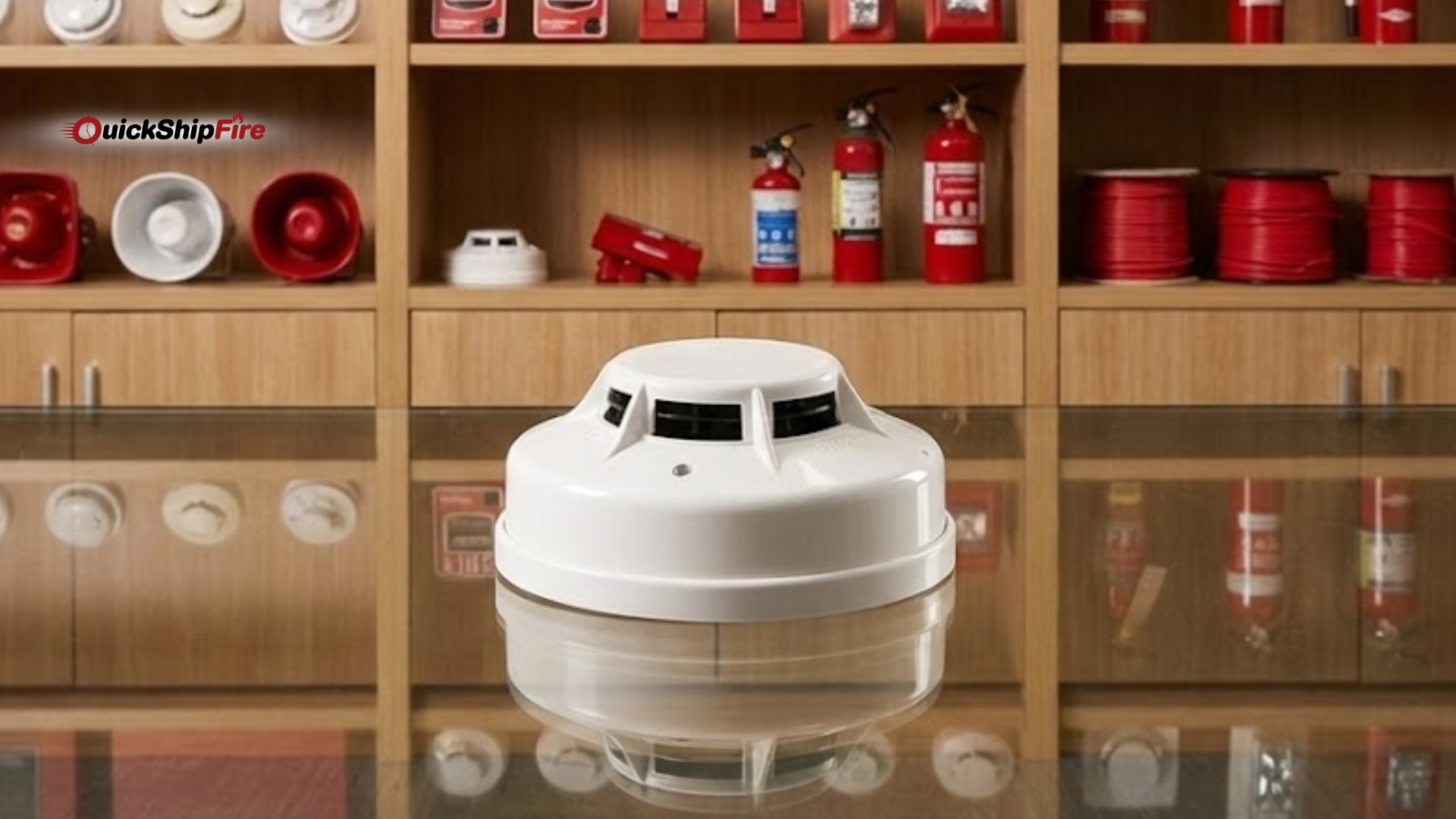
When I first started learning about fire safety devices, I honestly did not think something small like the TrueAlarm photoelectric sensor could make such a big difference. But after understanding how much early smoke detection matters in real buildings where people work or sleep every day, it became clear this device is not small at all. It is actually one of the most important pieces in the whole fire system. And to be honest, many people do not realise how much safer they can make a place until they see how the sensor works in real life.
Why Early Smoke Detection Matters More Than People Think
Most fires do not start with big flames. They start slow, hidden somewhere, maybe behind a wall or inside some equipment where no one is looking. This slow smoke stage is where life safety can be decided. If it is detected fast, the whole building can react before the fire becomes dangerous. And this is where the TrueAlarm photoelectric sensor does its best work. It catches that early smoke in a way that feels more accurate and more dependable compared to older-style detectors that either miss things or give false alarms.
Sometimes I visit buildings and see old detectors still hanging there, yellow from age, and I wonder how safe people really feel under them. Upgrading to something smarter feels like the right thing, especially when life safety is involved.
What Makes the TrueAlarm Photoelectric Sensor Different
There are many detectors on the market, but the TrueAlarm photoelectric sensor has a way of balancing sensitivity and stability that just makes sense. It uses a small light beam inside and checks how the smoke changes that beam. But here is the part I like: it does not make random guesses. It measures and re-measures, basically comparing its own results several times. That means fewer false alarms and better real detection.
Some real benefits people actually notice
- It works fast during smoky, smoldering fires
- It avoids reacting to harmless stuff like dust (in most cases)
- It talks with modern fire alarm panels for smart decisions
- It keeps checking itself to make sure it is healthy
This behaviour is also influenced by the same technology behind the TrueSense Photoelectric Smoke Detector, which is known for giving very accurate results. Even though the two products are not the same, they share the same idea of doing the job in a smarter way, not the old basic way.
How the Sensor Fits into a Modern Fire System
One thing that impresses me is how easy it is to integrate the TrueAlarm photoelectric sensor with bigger systems in commercial buildings. With many buildings now using advanced panels, the sensor becomes a part of a smart network. It is almost like a team member that keeps sending updates.
This also helps the maintenance team. Instead of climbing ladders every few days, they can sit at the panel and check the status. When a sensor starts getting dirty, the panel almost tells them in simple words: “This one needs attention.” That is much better than waiting until it fails.
And if someone uses a photo Addressable Smoke Detector somewhere else in the same building, the system works together in a smooth way. The communication between devices is something that reduces worry for the technicians and makes the building safer overall.
Where the TrueAlarm Photoelectric Sensor Works Best
In my personal experience, the places where the TrueAlarm photoelectric sensor shines the most are:
Hospitals
- Schools
- Office buildings
- Hotels
- Government buildings
- Warehouses with slow-burning materials
Anywhere there is a chance of slow, smoldering fires, this sensor gives the building a fighting chance. People sometimes think fire is always big and loud, but many fires start slow and quiet. This sensor is like having someone always awake, always watching quietly.
Why Building Owners Prefer It
Many building owners tell me the same thing: they do not want headaches. They want a fire detection device that just works, does not false alarm every few weeks, and is easy to maintain. And that is one of the biggest reasons I personally think the TrueAlarm photoelectric sensor is a strong choice.
False alarms cost real money. They stop business. They make tenants angry. They bring emergency staff for nothing. A sensor that reduces false alarms while staying highly sensitive is a big win.
Emotional Side of Safety (People Rarely Talk About This)
When you install something like a TrueAlarm photoelectric sensor, you might not feel anything in that moment. It is just a device on the ceiling. But later, when you lock the building at night or when people inside are working safely, there is a small peace of mind knowing something reliable is watching. I have seen businesses that avoided huge losses because the sensor caught the problem early. I have seen families safe because of timely detection.
Fire safety is not only about rules and codes. It is about lives. That emotional part is why I prefer recommending sensors that actually do their job.
FAQs
1. How does the TrueAlarm photoelectric sensor actually detect smoke?
It uses a light source and checks how smoke changes that light path. The sensor inside keeps reading the reflections and comparing results. This makes the TrueAlarm photoelectric sensor detect slow, smoky fires very well without giving too many false alarms.
2. Is it better than an ionization detector?
In many cases, yes. For slow-burning fires, the TrueAlarm photoelectric sensor reacts faster. Ionization detectors react faster to flaming fires but often false alarm near kitchens. This is why many modern systems use photoelectric technology or mix both.
3. Can it work with addressable systems?
Yes, it works great with modern addressable systems, and this also makes it compatible with products like the photo Addressable Smoke Detector in the same environment.
4. How often do I need to maintain it?
Usually, only periodic cleaning and inspection based on your fire alarm panel’s recommendations. The sensor reports if it gets dirty, which makes maintenance easier.
5. Is it similar to the TrueSense Photoelectric Smoke Detector?
They share a similar smart detection idea. The TrueSense Photoelectric Smoke Detector uses advanced algorithms, and the TrueAlarm photoelectric sensor follows a similar approach but is used in many Simplex systems.
Conclusion
After looking at everything closely, I honestly feel the TrueAlarm photoelectric sensor is one of those devices that people do not think much about, but it ends up doing the most important job in the whole building. It works steady, it stays alert even when everyone else is not, and it reacts in time when smoke starts building quietly. For any place that wants real safety and not just something installed to follow rules, choosing this sensor feels like the smarter move. With its accuracy, easy support, and strong performance, it brings a safer and calmer feeling to the whole space. In simple words, it just does its job right when it matters most.