
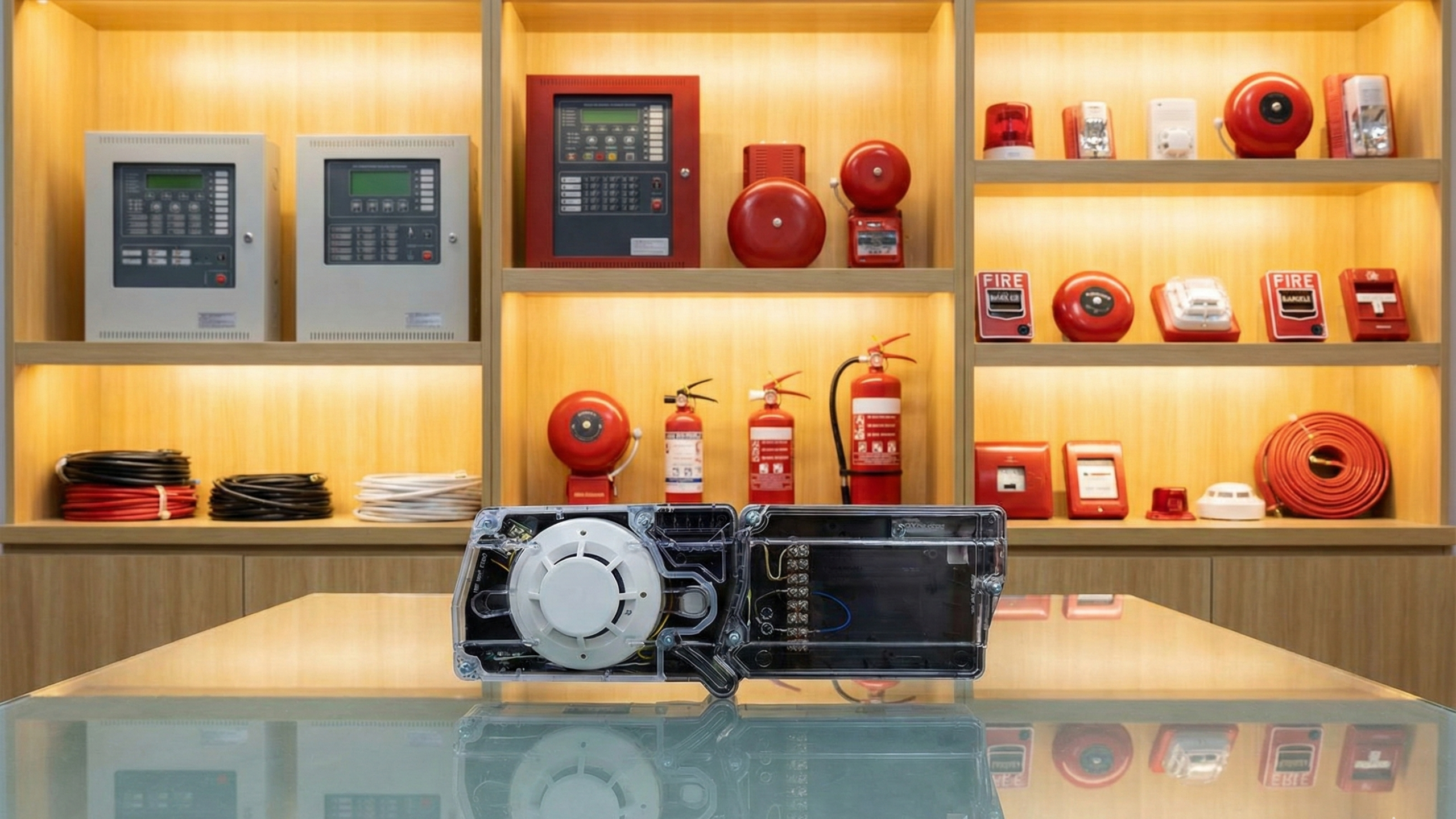
When people talk about fire safety in big buildings, most times they think about alarms on walls or smoke detectors on ceilings. Very few stop and think about what is happening inside the air ducts. I have seen many buildings where fire safety looked perfect from outside, but inside the HVAC system, there was nothing watching the air. This is where duct detectors
become important, even critical. In modern fire protection, ignoring the duct system is a mistake, a costly one also.
Why Air Ducts Need Special Attention
Air ducts move air fast, sometimes faster than people realize. Smoke that enters a duct can travel from one floor to another in minutes. That is scary, honestly. Fires do not always grow big before smoke starts spreading. A small fire somewhere can send smoke into the ducts and suddenly the whole building is filled with danger. This is why duct detector are placed directly in HVAC systems, so smoke is caught early before it moves too far.
In my opinion, duct safety is not about rules only. It is about protecting people who have no idea smoke is moving above their heads.
How Duct Detectors Actually Work
Many people ask how these devices even detect smoke inside metal ducts. The idea is simple. Air from the duct is sampled through tubes, and that air is checked for smoke particles. When smoke is found, the system reacts fast. Some systems shut down fans, others trigger alarms, and some do both. This early action saves time, and time saves lives.
A duct smoke detector works quietly in the background. You do not see it every day, but it is always watching. I like that kind of safety, the silent type that works without drama.
Modern Buildings and Growing Risks
Buildings today are bigger, more sealed, and more complex. Glass walls, central air systems, and energy-saving designs are common now. All this makes HVAC systems even more important. Smoke does not escape easily in modern buildings. It circulates. That is where duct detector play a role that cannot be replaced by ceiling detectors alone.
I have walked through office buildings and hospitals where air systems run nonstop. In these places, smoke movement is faster than people can react. Using only room detectors feels incomplete. A proper fire plan must include the ducts.
Key Benefits of Using Duct Detectors
Early Smoke Detection
The biggest benefit is early warning. Catching smoke inside the duct means the fire is found before it spreads. This reduces damage and panic. Duct detectors give that early signal which can make all the difference.
Protecting HVAC Equipment
Smoke damages fans, filters, and other HVAC parts. Shutting down systems quickly helps protect expensive equipment. Over time, this also saves money. Fire safety is not only about people, it is about protecting the whole building.
Code Compliance and Peace of Mind
Many fire codes require duct detection in certain systems. But beyond rules, there is peace of mind. Knowing there is something watching the hidden areas of a building feels reassuring.
System Sensor Duct Detector in Real Use
I have seen many brands, but the System Sensor Duct Detector is commonly used in commercial projects. Installers like it because it is reliable and fits well with different fire alarm systems. It is designed to handle airflow changes and still give accurate detection.
What matters to me is consistency. A detector should not give false alarms every week. It should work when it needs to. Systems like this are built for that balance.
Read More : Purchase HVAC Duct Detectors for Code-Approved Safety
Where Duct Detectors Are Most Needed
Commercial Buildings
Office spaces, malls, and data centers rely heavily on air systems. Smoke can move fast here. It help control that risk early.
Hospitals and Healthcare Facilities
Patients cannot always move fast. Smoke control is critical. Using duct detection adds an extra layer of safety, and in these places, extra safety is not optional.
Schools and Universities
Large campuses have complex HVAC systems. One small fire can affect many classrooms. Early detection in ducts helps protect students and staff.
Installation and Maintenance Thoughts
Installing a duct detector is not just placing a device and forgetting it. Proper placement matters. The detector must be where airflow is stable. Testing is also important. Dust, dirt, and airflow changes can affect performance.
In real life, maintenance gets ignored sometimes. That is a problem. Duct detector need regular checks, just like any other safety device. When maintained well, they last and perform as expected.
Emotional Side of Fire Protection
I always feel that fire safety is personal. Behind every system, there are people. Families, workers, patients. A small device inside a duct might not look important, but it can stop a bad day from turning into a tragedy. That thought stays with me.
A duct smoke detector may never activate in its lifetime. But if it does even once, and helps save lives, then it has done its job fully.
Duct Detectors in a Complete Fire Strategy
Fire protection is never about one device only. It is about layers. Alarms, sprinklers, emergency lights, and yes, duct detection. Duct detector work best when combined with other systems. Together, they create a strong safety net.
Modern fire strategies focus on early detection and fast response. Duct detection fits perfectly into this idea.
Common Myths About Duct Detection
Some think duct detection is optional. Others believe ceiling detectors are enough. From what I have seen, these ideas are risky. Smoke does not behave politely. It goes wherever air takes it. Ignoring ducts means ignoring a major path.
Using duct detector closes that gap and makes the whole system stronger.
FAQs
1. What are duct detectors and why are they important?
Duct detectors are devices installed in HVAC systems to detect smoke in moving air. They are important because they catch smoke early before it spreads through the building.
2. How is a duct smoke detector different from a normal smoke detector?
A duct smoke detector is designed for high airflow environments. Normal detectors are for rooms, not fast-moving air inside ducts.
3. Where should duct detectors be installed?
They are usually installed in return or supply ducts where air movement is steady. Correct placement is critical for accurate detection.
4. Are System Sensor Duct Detector models reliable for commercial use?
Yes, the System Sensor Duct Detector is widely used in commercial buildings because of its stable performance and system compatibility.
5. Do duct detectors need regular maintenance?
Yes, regular inspection and testing are needed. Dust and airflow changes can affect how well duct detector perform.
6. Are duct detectors required by fire codes?
In many regions, duct detection is required for certain HVAC systems. Local codes should always be checked before installation.
Final Thoughts
Today, fire protection means thinking ahead, especially when it comes to hidden areas such as ducts. Duct detectors add an additional layer of protection to modern buildings. These devices operate quietly and generally go unnoticed, however, their impact is great. I believe that duct detectors are more than just devices – they are silent guardians, tirelessly watching over us 24 hours a day, 365 days a year.