
Introduction
Fire safety is no longer an optional consideration in modern buildings – it is a fundamental necessity. One of the most overlooked yet critical components in fire protection systems is the duct detector. Installed within HVAC systems, this device plays a crucial role in detecting smoke before it spreads throughout an entire building. Whether it’s a commercial facility, industrial setup, or large residential complex, a duct detector helps in minimizing fire risks by identifying threats early.
Many building owners invest heavily in fire alarm panels and extinguishing systems but fail to recognize how air ducts can become pathways for smoke and fire. This is where a duct detector becomes essential. By monitoring the airflow within ducts, it ensures that smoke is detected quickly and appropriate action is taken. Understanding its installation and working mechanism is key to ensuring maximum protection.
What is a Duct Detector?
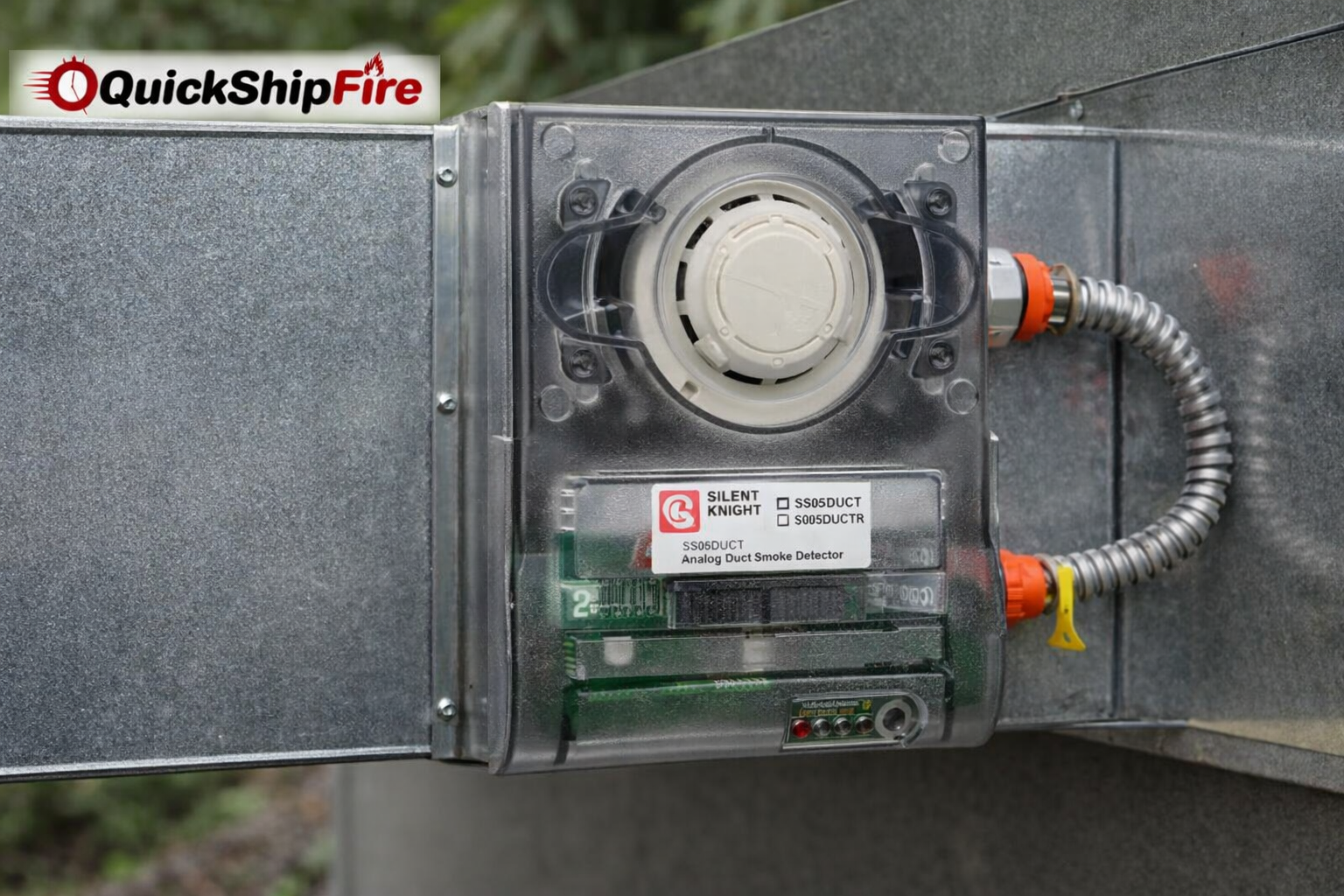
A duct detector is a specialized smoke detection device designed to be installed within heating, ventilation, and air conditioning (HVAC) duct systems. Its primary purpose is to sense smoke circulating through the ducts and trigger an alarm or system shutdown before the smoke spreads to other areas.
Unlike standard smoke detectors that monitor open spaces, Itoperates inside air pathways. This makes it highly effective in preventing the distribution of smoke across different rooms and floors. When properly installed, it acts as a safeguard that enhances the overall efficiency of a building’s fire protection system.
Additionally, modern systems like the System Sensor they are designed with advanced sensing technologies that improve accuracy and reduce false alarms. These detectors are widely used in commercial buildings where HVAC systems are extensive and complex.
Why Duct Detectors Are Critical in Fire Safety Systems
The importance of a duct detector lies in its ability to stop the spread of smoke rather than just detecting it. In many fire incidents, smoke inhalation causes more damage than the fire itself. HVAC systems can unknowingly distribute smoke rapidly, making early detection essential.
It ensures that once smoke is detected, the HVAC system can be shut down immediately. This prevents smoke from traveling through ducts into other areas. As a result, occupants get more time to evacuate safely, and damage is minimized.
Moreover, regulatory standards in many regions require the installation of detectors in specific types of buildings. Compliance with these regulations not only ensures safety but also avoids legal complications. Investing in a reliable HVAC fire detection sensor system is therefore both a safety measure and a compliance necessity.
Understanding How a Duct Detector Works
To fully utilize the benefits of a duct detector, it is important to understand how it operates. The working principle is based on sampling the air flowing through the duct and analyzing it for smoke particles.
Inside the system, tubes are inserted into the duct to collect air samples. These samples are then passed through a sensing chamber. If smoke particles are detected, the device sends a signal to the fire alarm control panel. This can trigger alarms, shut down air handlers, or activate other safety protocols.
Devices such as the Duct Smoke Detector use photoelectric sensing technology, which is highly effective in detecting visible smoke particles. This ensures quick response times and accurate detection, especially in smoldering fire scenarios.
Types of Duct Detectors
Different types of detector systems are available depending on the application and building requirements. Understanding these types helps in selecting the right solution.
1. Photoelectric Duct Detectors
These detectors use light scattering technology to detect smoke. They are highly sensitive to visible smoke and are commonly used in commercial buildings.
2. Ionization Duct Detectors
These are better at detecting smaller, invisible particles produced by fast-flaming fires. However, they are less commonly used in modern HVAC systems.
3. Sampling Tube-Based Detectors
These are the most widely used systems. They actively sample air from ducts and provide consistent monitoring.
Key Components of a Duct Detector System
This system consists of several essential components that work together to ensure effective operation.
- Sampling Tubes: These collect air from the duct for analysis.
- Detection Chamber: The area where smoke detection occurs.
- Control Unit: Processes signals and communicates with the fire alarm panel.
- Housing Unit: Protects internal components and ensures durability.
- Filters: Prevent dust and debris from interfering with detection.
Each component must be properly installed and maintained to ensure the HVAC fire detection sensor functions efficiently.
Step-by-Step Duct Detector Installation Guide
1. Selecting the Right Location
The detector should be installed on straight sections of the duct where airflow is stable. Avoid placing it near bends, joints, or obstructions.
2. Mounting the Unit
Secure the unit firmly to the duct using appropriate hardware. Ensure that the housing is airtight to prevent external air interference.
3. Installing Sampling Tubes
Insert the sampling tubes into the duct. The length of the tube should match the duct width to ensure accurate air sampling.
4. Electrical Connections
Connect the detector to the fire alarm control panel. Ensure proper wiring and follow manufacturer guidelines.
5. Testing the System
After installation, test the system to confirm that it detects smoke accurately and triggers alarms as expected.
Following these steps ensures that the HVAC fire detection sensor operates reliably under real-world conditions.
Common Installation Mistakes to Avoid
Even experienced installers can make errors that affect system performance. Avoiding these mistakes is essential.
Improper placement is one of the most common issues. Installing a HVAC fire detection sensor in turbulent airflow areas can lead to inconsistent readings. Another mistake is using incorrect sampling tube lengths, which reduces detection efficiency.
Neglecting proper sealing can allow external air to enter the system, causing false alarms. Additionally, skipping post-installation testing can leave undetected issues that may fail during emergencies.
Maintenance and Inspection Guidelines
Regular maintenance is crucial to ensure the long-term performance of a HVAC fire detection sensor. Dust, debris, and environmental factors can affect its sensitivity over time.
Routine inspections should include checking sampling tubes, cleaning filters, and verifying electrical connections. Testing the system periodically ensures that it responds correctly to smoke.
Professional servicing is recommended to maintain compliance with safety standards. Many businesses rely on solutions like the Duct Smoke Detector for their durability and ease of maintenance.
Benefits of Installing a HVAC fire detection sensor
Installing a HVAC fire detection sensor offers several advantages beyond basic fire detection.
It helps in early smoke detection, preventing widespread damage. It enhances occupant safety by providing timely alerts. It also ensures compliance with fire safety regulations, which is critical for commercial properties.
Additionally, integrating systems like the HVAC fire detection sensor improves overall system reliability. These advanced devices are designed to work seamlessly with modern fire alarm systems.
Choosing the Right HVAC fire detection sensor for Your Needs
Selecting the right HVAC fire detection sensor depends on several factors, including building size, HVAC complexity, and regulatory requirements.
It is important to consider compatibility with existing fire alarm systems. Sensitivity levels, ease of maintenance, and durability are also key factors. Consulting professionals can help in choosing the most suitable system.
Reliable solutions such as the Duct Smoke Detector are designed to meet diverse requirements, making them a popular choice among building owners.
Integration with Fire Alarm Systems
A duct detector does not operate in isolation. It is integrated with the building’s fire alarm system to provide a coordinated response.
When smoke is detected, the system can trigger alarms, shut down HVAC units, and activate suppression systems. This integrated approach ensures a comprehensive safety mechanism.
Modern systems like the System Sensor duct detector offer advanced integration features, allowing seamless communication between different components.
Conclusion
A duct detector is an essential component of any comprehensive fire safety system. Its ability to detect smoke within HVAC ducts makes it a critical tool in preventing the spread of fire and smoke. From installation to maintenance, every step plays a vital role in ensuring its effectiveness.
Understanding how HVAC fire detection sensor works and implementing it correctly can significantly enhance building safety. By choosing the right system and maintaining it properly, you can ensure long-term protection and compliance with safety standards.
For businesses and property owners looking to improve fire safety, investing in a high-quality HVAC fire detection sensor system is a smart and responsible decision.
FAQs
1. What is the main purpose of a duct detector in a fire safety system?
It is designed to detect smoke within HVAC ducts before it spreads throughout a building. This helps prevent smoke circulation, improves safety, and gives occupants more time to evacuate safely.
2. Where should this device be installed for best performance?
It should be installed in straight duct sections where airflow is smooth and stable. Avoid placing it near bends, joints, or areas with turbulence, as this can affect detection accuracy.
3. How does it detect smoke inside air ducts?
It works by drawing air through sampling tubes into a sensing chamber. When smoke particles are present, the system sends a signal to the fire alarm panel to trigger alerts or system shutdown.
4. What is the difference between this system and a regular smoke detector?
This system monitors air moving through HVAC ducts, while standard smoke detectors monitor open indoor spaces. Its role is to stop smoke from spreading through ventilation systems.
5. How often should it be maintained or inspected?
Regular inspection is recommended every 3 to 6 months depending on the environment. Cleaning filters and checking components ensures accurate performance and reduces false alarms.
6. Can it be connected to a fire alarm system?
Yes, it is typically integrated with fire alarm systems. When smoke is detected, it can trigger alarms, shut down air handling units, and activate safety protocols automatically.
7. What are common issues that affect its performance?
Dust buildup, improper installation, and incorrect placement in airflow can reduce efficiency. Routine maintenance and correct setup help maintain reliable operation.