
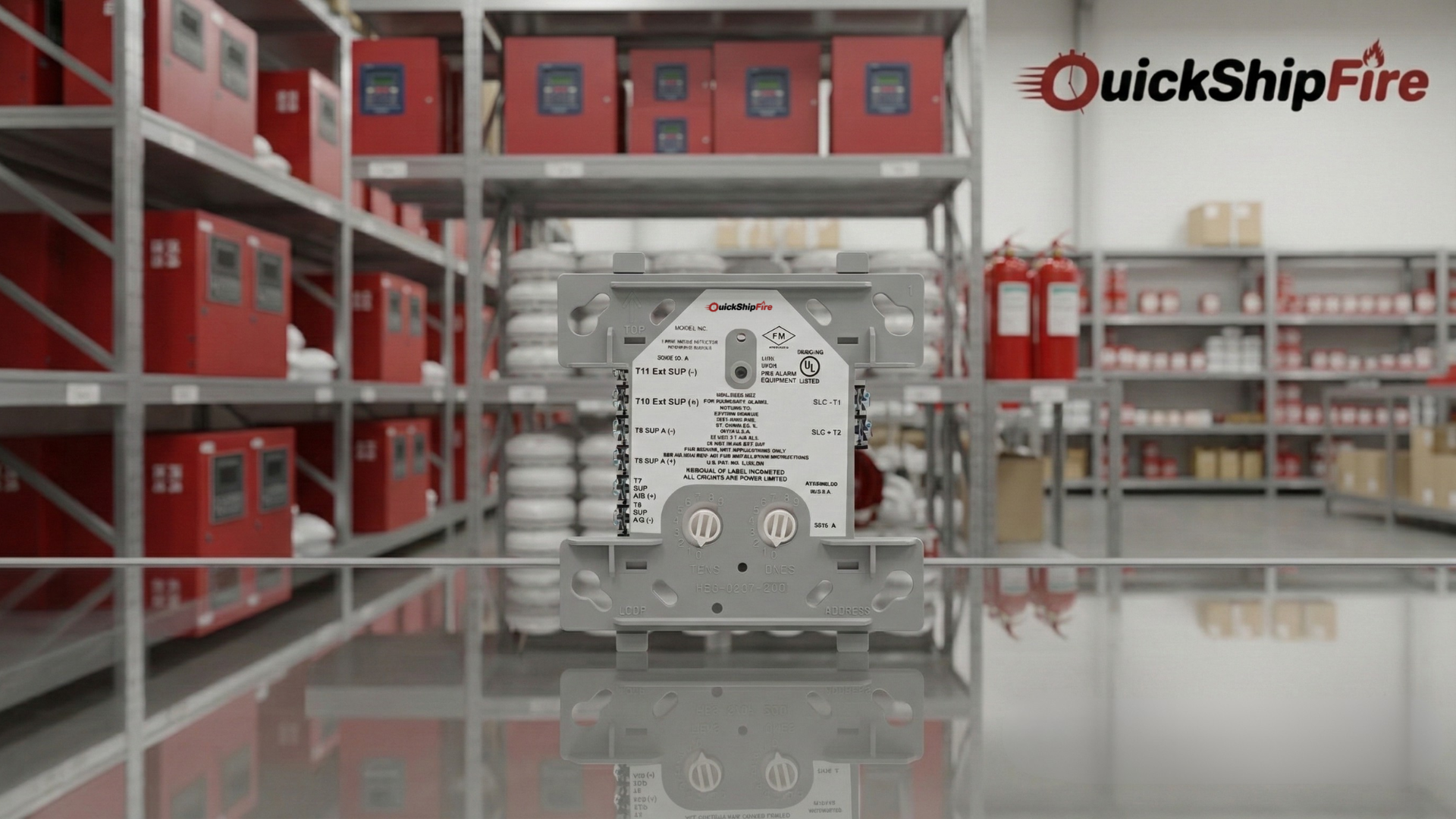
Fire alarm systems are designed to protect lives and property, but behind every reliable system there are small components quietly doing important work. One of those components is the sk two wire addressable zone module. Many installers and fire alarm contractors rely on this device when upgrading or expanding existing fire protection systems.
Modern buildings increasingly use addressable fire alarm systems because they provide precise device identification and faster response. However, thousands of facilities still operate with conventional two-wire smoke detector circuits. Replacing every detector during an upgrade can be expensive and sometimes unnecessary. This is where the sk two wire addressable zone module becomes extremely useful.
This article explains how these modules operate within addressable fire alarm systems, why contractors use them, and how they help integrate traditional detection devices into modern fire protection infrastructure. If you work in fire alarm installation or system design, understanding this technology can make system upgrades much easier.
Understanding Addressable Fire Alarm Systems
Addressable fire alarm systems represent a major step forward compared to older conventional systems. In a traditional system, detectors are grouped into zones, and when an alarm occurs the control panel only shows the zone where the problem happened. This means technicians often have to search multiple devices within that zone to locate the source.
Addressable systems solve that limitation. Each device on the system loop has a unique address, allowing the control panel to identify the exact device that triggered the alarm. Maintenance becomes faster, troubleshooting becomes easier, and building safety improves significantly.
However, not every building can immediately replace all of its detectors. Many commercial structures contain older conventional detectors that still function properly. During upgrades, the sk two wire addressable zone allows those detectors to connect to the newer addressable panel without replacing the entire detection network.
What Is an SK Two Wire Addressable Zone Module
A sk two wire addressable zone module is a specialized interface device used in addressable fire alarm systems. Its purpose is to connect a conventional two-wire detector circuit to the addressable signaling line circuit of the control panel.
In simple terms, the module acts as a translator between two different system technologies. The module monitors the conventional detector loop and communicates alarm or trouble conditions back to the addressable panel.
From the panel’s perspective, the entire group of detectors appears as a single addressable device. This approach allows installers to maintain compatibility with older equipment while still benefiting from the advantages of addressable technology.
The idea is surprisingly simple, but in real projects it solves a lot of upgrade challenges.
Why These Modules Are Important in Retrofit Projects
Many fire alarm upgrades happen in existing buildings rather than new construction. In retrofit situations, replacing every smoke detector and running new wiring may not always be possible.
This is where the sk two wire addressable zone module becomes extremely practical. It allows contractors to integrate existing detection circuits into a modern fire alarm control panel while minimizing disruption to the building.
Older hospitals, schools, and office buildings often benefit from this approach. Instead of shutting down large areas for rewiring, installers can simply add interface modules and keep the project moving.
From my perspective, this is one of the smartest solutions available for modernization projects.
Key Advantages for Fire Alarm Installers
Several benefits make these modules popular among contractors and system designers.
- They allow conventional detectors to remain in service during system upgrades
- Installation time is significantly reduced compared to full device replacement
- Existing wiring infrastructure can often be reused
- Building downtime during installation is minimized
- Retrofit costs become much more manageable for property owners
These advantages explain why many technicians include the sk two wire addressable zone when designing system upgrades for older facilities.
How the Module Works Inside an Addressable System
To understand the role of this device, it helps to look at how communication happens between the module and the fire alarm control panel.
The module connects directly to the addressable loop. Each module receives a unique address programmed during installation. The control panel constantly polls devices on the loop to check their status.
Meanwhile, the sk two wire addressable zone monitors the conventional detector circuit connected to it. If a smoke detector activates, the module detects the change in electrical condition and immediately reports an alarm condition to the control panel.
The panel then displays the address of the module and triggers the programmed response. Even though multiple detectors may exist behind the module, the panel receives the alarm signal instantly.
This system creates a reliable bridge between conventional and intelligent detection technologies.
Basic Wiring Overview
While wiring details can vary depending on the fire alarm panel model, the basic connection structure remains consistent.
Typical Wiring Configuration
- The addressable loop connects from the control panel to the module
- The module receives its device address through the system configuration
- Conventional two-wire smoke detectors connect to the module input terminals
- End-of-line resistors are installed to supervise the circuit
- The module continuously monitors the detector loop for status changes
When an alarm occurs, the sk two wire addressable zone sends the signal to the control panel through the addressable loop communication.
Role of SK Relay Modules in Fire Alarm Systems
Another important component often used alongside detection modules is the sk relay. Relay modules allow fire alarm systems to control external equipment when an alarm occurs.
For example, an sk relay can activate ventilation shutdown systems, door release mechanisms, or elevator recall functions. These actions are critical for life safety and smoke control during emergencies.
In many system designs, the sk relay works together with detection modules to create a complete response system. When detectors connected through the sk two wire addressable zone activate, relay modules may trigger additional safety actions throughout the building.
This type of coordination is what makes modern fire alarm systems so effective.
Integration with Notification Devices
Fire alarm systems must not only detect smoke but also notify occupants. This is where components like the TrueAlert Addressable Adapter Module play a role.
The TrueAlert Addressable Adapter Module allows compatible notification devices to connect to addressable control systems. It enables synchronized communication between the control panel and the notification appliances installed throughout the building.
When detection devices connected through the sk two wire addressable zone send an alarm signal, notification equipment connected through modules like the TrueAlert Addressable Adapter Module can activate immediately.
This coordinated operation ensures occupants receive clear audible and visual warnings during emergencies.
Common Installation Considerations
Fire alarm contractors need to plan carefully when installing interface modules. Even though these devices simplify system integration, proper installation is essential for reliable operation.
Important Things Installers Should Check
- Detector compatibility with the module
- Proper end-of-line resistor placement
- Correct addressing on the system loop
- Panel configuration settings
- Code compliance requirements
Many technicians also test the entire detection circuit after installation to verify that the sk two wire addressable zone communicates properly with the control panel.
Testing is never optional in fire protection systems.
Maintenance and Troubleshooting
Like all fire alarm equipment, interface modules require periodic inspection and testing. Maintenance technicians typically check both the addressable communication and the conventional detector circuit.
If trouble conditions appear at the control panel, technicians usually start by checking wiring connections and resistor values.
Common troubleshooting steps include:
- Verifying detector loop continuity
- Checking end-of-line resistor values
- Confirming correct device addressing
- Testing alarm activation through connected detectors
In many cases, troubleshooting issues related to the sk two wire addressable zone can be resolved quickly once the wiring configuration is verified.
Practical Applications in Commercial Buildings
These modules appear in many types of buildings where conventional detectors still exist. Schools, hospitals, warehouses, and office buildings often contain legacy detection systems.
Instead of removing every detector during upgrades, contractors can integrate existing circuits using the sk two wire addressable zone. This allows the building to benefit from modern addressable control panels while maintaining functional equipment already installed in the facility.
In my opinion, this type of hybrid system design is one of the most practical solutions available for large retrofit projects.
FAQs
1. What does an SK two wire addressable zone module do?
The module connects conventional two-wire smoke detectors to an addressable fire alarm control panel. It monitors the detector circuit and reports alarm or trouble conditions to the panel through the addressable communication loop.
2. How many detectors can connect to one module?
The number depends on detector type and manufacturer specifications. Installers typically follow panel documentation and local code requirements to determine the maximum allowed devices on a single circuit.
3. Can these modules be used in retrofit fire alarm upgrades?
Yes. Retrofit installations are one of the most common applications. They allow existing detectors and wiring to remain in service while connecting to modern addressable systems.
4. What is the role of SK relay modules in a fire alarm system?
An sk relay allows the fire alarm system to control external devices during alarms. It can activate HVAC shutdown, door release mechanisms, and other safety equipment required by building codes.
5. How does the TrueAlert Addressable Adapter Module work?
The TrueAlert Addressable Adapter Module connects compatible notification appliances to addressable fire alarm systems. It allows the panel to control audible and visual alarm devices throughout the building.
6. Do these modules require regular testing?
Yes. Fire alarm codes require periodic inspection and testing to confirm proper operation. Technicians usually test both the module communication and the connected detector circuit.
7. Are these modules compatible with all fire alarm panels?
Compatibility depends on the manufacturer and system design. Installers should always verify compatibility with the specific fire alarm control panel being used.
Conclusion
Fire alarm systems continue evolving as technology improves, but many buildings still rely on conventional detection circuits installed years ago. Instead of replacing every device during upgrades, system designers often use the sk two wire addressable zone module to integrate older detectors with modern addressable control panels.
This approach provides flexibility, reduces installation costs, and simplifies retrofit projects. When combined with components such as sk relay modules and notification interfaces like the TrueAlert Addressable Adapter Module, these systems create a complete and reliable fire protection network.
Understanding how these modules work can help contractors design smarter fire alarm upgrades while maintaining safety and code compliance.
Need Fire Alarm Parts Fast? QuickShipFire Can Help
If you are looking for reliable fire alarm components, QuickShipFire provides trusted equipment used by contractors and fire protection professionals across the industry.
We supply high-quality fire alarm modules, detectors, panels, and accessories designed for dependable performance in commercial fire protection systems. Our goal is simple – help installers get the right parts quickly so projects stay on schedule.
Visit QuickShipFire.com today to explore our inventory and find the fire alarm components your next installation requires. When safety matters, having the right equipment ready makes all the difference.