
Introduction
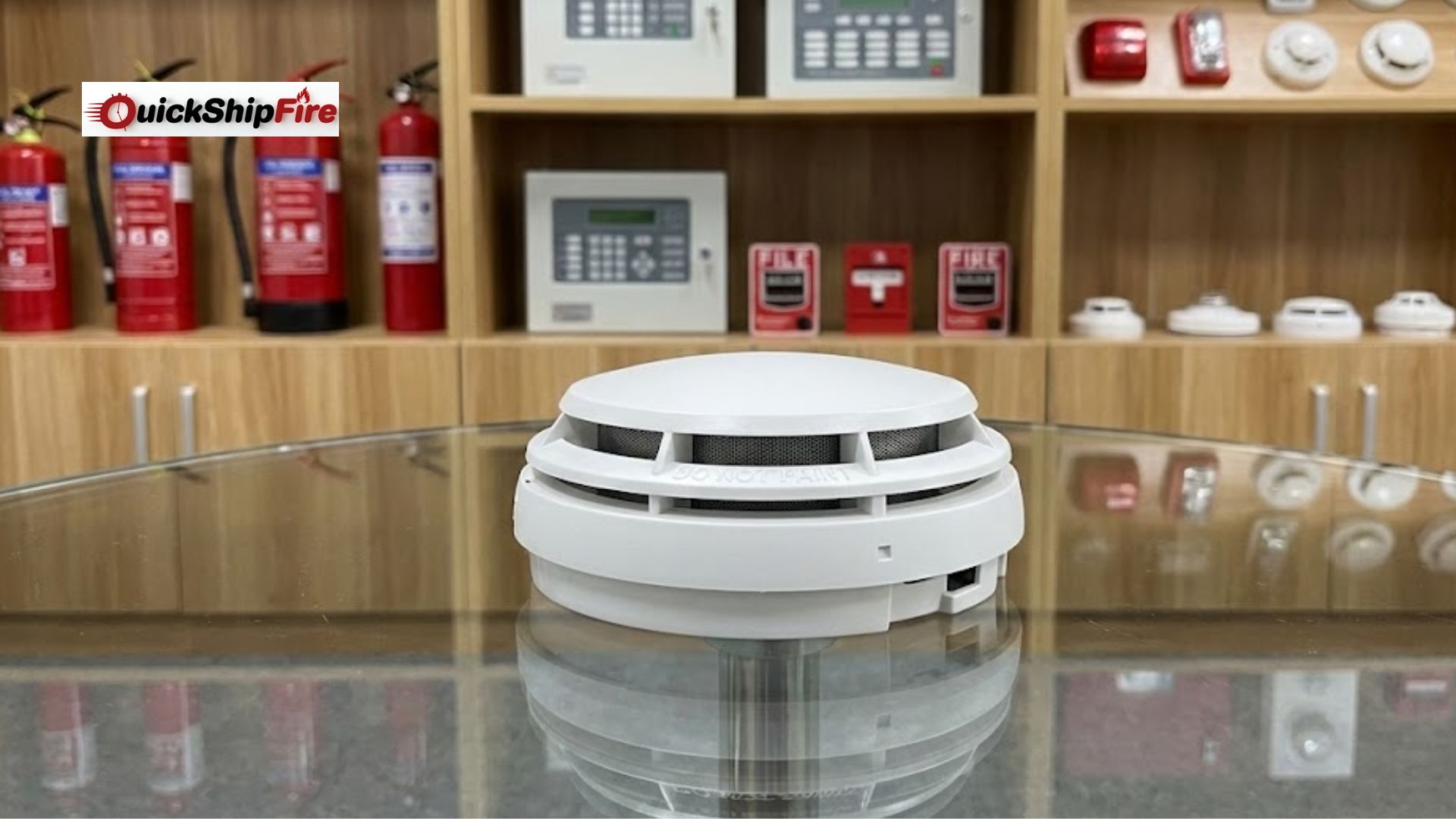
Walking into a large facility as a fire safety administrator can feel overwhelming. Multiple buildings, different occupants, different risks, and a long list of compliance boxes to tick. From my experience, one of the few things that brings real order to that chaos is choosing the right detection standard. That’s where the TrueAlarm photoelectric sensor often becomes part of the bigger conversation, not just as hardware, but as a management tool in disguise.
Enterprise fire safety administration isn’t just about devices on ceilings. It’s about policies, maintenance schedules, training, audits, and that constant pressure to keep people safe without creating nonstop false alarms. Honestly, it’s a balancing act every single day.
Fire Safety Administration Is More Than Just Equipment
Let’s be real. Most people outside the industry think fire safety is just “install alarms and you’re done.” Anyone who’s actually managed a large fire system knows that’s not how it works.
You’re dealing with:
- Multiple panels and zones
- Different building uses under one umbrella
- Contractors with varying skill levels
- Inspections that never quite line up perfectly
From my experience, standardizing around reliable detection technology helps bring some sanity to that mess. Using something like the TrueAlarm photoelectric sensor across multiple facilities creates a common language for everyone involved — from technicians to inspectors to administrators.
Why Photoelectric Detection Fits Enterprise Reality
In real life, fires don’t always start with dramatic flames. A lot of them start slow. Electrical faults, overheated equipment, smoldering materials. These are exactly the kinds of situations photoelectric detection is known to respond well to.
That’s one reason many enterprise programs lean toward sensors in this category. The TrueAlarm photoelectric sensor fits well into environments where early warning really matters, especially before smoke turns into a full-blown emergency.
Different Buildings, Same Standard
I’ve seen campuses where one building had one brand, another had something else, and maintenance turned into a nightmare. Different spare parts. Different test procedures. Different documentation.
Standardizing with the TrueAlarm photoelectric sensor helps cut down on that confusion. When every site uses the same core detection approach, training becomes easier and troubleshooting gets faster. You don’t have to relearn the system every time you step into a new building.
Administrative Control and Visibility
Fire safety administration is also about visibility. You need to know what’s happening across your properties without digging through five different systems.
Using consistent devices like the TrueAlarm photoelectric sensor helps administrators see patterns. You can track alarm trends, nuisance activations, and maintenance needs more clearly. Over time, that data becomes incredibly valuable for improving policies and procedures.
Honestly, having that kind of visibility makes meetings with management a lot easier too. You can actually show trends instead of just guessing.
Training Gets Simpler (and That Matters)
One thing people don’t talk about enough is training. New technicians. New safety officers. New facility managers. Every time someone new comes on board, you’re either teaching one system or five.
From what I’ve seen, sticking with the TrueAlarm photoelectric sensor across your enterprise reduces that learning curve. People get comfortable faster. Mistakes drop. Confidence goes up.
That might sound small, but in a real-world environment, that consistency saves time and reduces stress.
How It Compares in Real Projects
On several large projects, I’ve seen administrators compare different sensor types side by side. Some lean toward advanced options like the TrueSense Photoelectric Smoke Detector, especially in areas with complex airflows or sensitive equipment.
Others prefer pairing systems with a photo Addressable Smoke Detector in certain zones where detailed device-level reporting is needed. Both have their place, honestly.
But for broad, enterprise-wide consistency, many still come back to the TrueAlarm photoelectric sensor because it balances performance, compatibility, and ease of administration.
Read more : Premium Ionization Smoke Detectors with Smart Connectivity
Mixing Where It Makes Sense
Enterprise systems don’t have to be one-size-fits-all. In data centers, for example, I’ve seen teams integrate the TrueSense Photoelectric Smoke Detector for more refined detection needs.
In high-traffic commercial areas, a photo Addressable Smoke Detector can help pinpoint exact device locations faster during an event.
Even with those variations, the backbone often remains the TrueAlarm photoelectric sensor, simply because it’s familiar, proven, and easier to manage at scale.
Maintenance: Where Administration Really Feels the Impact
Maintenance is where theory meets reality. Filters get dirty. Devices age. Buildings get dusty. And let’s be honest, some environments are just tough on sensors.
Using the TrueAlarm photoelectric sensor across your portfolio simplifies spare parts, testing tools, and service contracts. Your maintenance team knows exactly what to expect. That consistency reduces downtime and lowers the chance of something being overlooked.
From my experience, fewer surprises during inspections is worth its weight in gold.
Audits, Compliance, and Peace of Mind
Fire safety administration always comes back to compliance. Whether it’s local codes, insurance audits, or internal safety standards, you’re constantly proving that your systems are working as designed.
When your enterprise is standardized around the TrueAlarm photoelectric sensor, documentation becomes more straightforward. You’re not juggling multiple manuals and test procedures. Everything lines up more cleanly.
That alone can shave hours off audit prep, which any administrator will appreciate.
Scalability for Growing Organizations
Enterprises don’t stay static. New buildings. New floors. Renovations. Temporary spaces. Your fire system has to grow with you.
Having a foundation built on the TrueAlarm photoelectric sensor makes expansion easier. You’re not reinventing your fire safety strategy every time a new project starts. You’re extending a system everyone already understands.
That kind of scalability helps long-term planning and budgeting too.
FAQs
Is photoelectric detection better for enterprise buildings?
In many cases, yes. Especially for smoldering-type fires that are common in offices, healthcare, and mixed-use spaces.
Can I mix different detector types in one system?
Absolutely. Many sites use the TrueSense Photoelectric Smoke Detector or a photo Addressable Smoke Detector in specific areas while keeping a common standard elsewhere.
Does standardization really save money?
From what I’ve seen, yes. Fewer spare parts, simpler training, and less downtime all add up.
How often should sensors be tested or cleaned?
That depends on the environment, but having the same model like the TrueAlarm photoelectric sensor across sites makes scheduling and procedures much easier.
Will inspectors care which brand or model I use?
They care more about compliance and performance. Consistency usually helps demonstrate control and good administration.
Is it hard to train new staff on one standard sensor?
Actually, it’s easier. When everyone learns the same device, training becomes faster and more effective.
Conclusion
Fire safety administration isn’t glamorous. It’s detailed, repetitive, and sometimes stressful. But it’s also one of those roles where consistency and smart decisions quietly protect a lot of people.
From my experience, building your enterprise program around a dependable standard like the TrueAlarm photoelectric sensor makes daily operations smoother, audits less painful, and long-term planning more realistic. It’s not just about the device itself it’s about creating a system your team understands, trusts, and can manage without constant friction.
And honestly, when you’re responsible for safety at scale, that kind of reliability is hard to put a price on.