
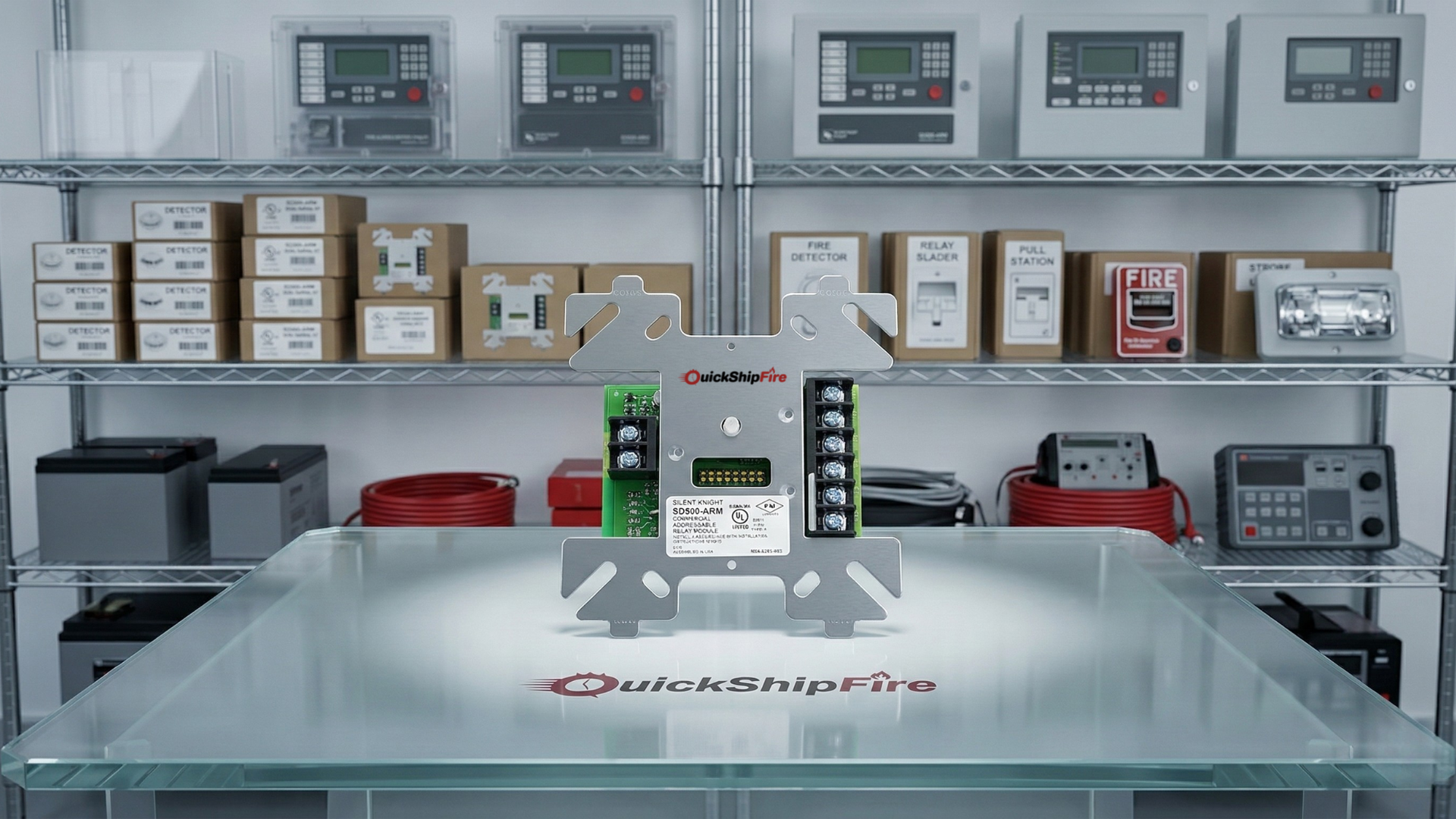
Choosing the right relay module for a fire alarm system sometimes feels more confusing than it should be. There are many options, many specs, and honestly a lot of product codes that look almost the same. Contractors often ask a simple question when they are planning a system upgrade or a new installation: which relay module actually makes sense for the job? One module that gets a lot of attention in commercial fire alarm systems is the sd 500 ARM. Many installers rely on it for addressable control and reliable integration with control panels. But the real question most technicians ask is whether it is better than other relay modules available in the market.
This article is a practical comparison. Not a technical textbook. Just a real discussion about how this module stacks up against other relay devices used in fire alarm systems. If you are a contractor, technician, or system planner, this guide should help you make a confident decision.
Understanding Fire Alarm Relay Modules First
Before comparing products, it helps to understand what a relay module actually does in a fire alarm system.
A relay module works as a bridge between the fire alarm control panel and external equipment. When the system activates, the relay allows the panel to control devices like elevators, HVAC units, magnetic door holders, or smoke control fans.
In other words, it turns detection into action.
Without relay modules, many automated safety responses simply would not happen.
For example, when smoke detectors such as the sd505 duct smoke detector detect smoke inside an HVAC duct, the system may need to shut down air handlers immediately. That command usually travels through a relay module.
Same idea applies to intelligent detectors like the SD365-IV Smoke Detector, which communicate events to the panel that may then trigger relays controlling building equipment.
So relay modules are not just accessories. They are part of the building safety response.
What Makes the SD 500 ARM Different
Many installers choose the sd 500 ARM because it is designed specifically for addressable fire alarm systems. It allows individual device control instead of relying on grouped circuits.
This matters a lot in large commercial systems.
Instead of triggering multiple devices together, technicians can program specific outputs. That level of control makes troubleshooting easier and improves overall system flexibility.
Another reason professionals trust this module is reliability. Fire alarm systems operate for years without needing constant maintenance. When a relay module fails, it can affect multiple life-safety responses.
That is why contractors usually prefer hardware that has a proven track record.
In many installations where sensors like the SD365-IV Smoke Detector are used throughout the building, relay modules handle the operational response that follows detection events.
It becomes part of the automation logic behind the system.
Why Contractors Compare Relay Modules
There are several reasons installers compare relay modules before choosing one.
Sometimes it comes down to system compatibility. Other times it is about installation convenience or wiring simplicity.
A few key factors always influence the decision:
- Panel compatibility with addressable systems
- Wiring requirements and installation flexibility
- Response reliability during emergency conditions
- Ease of programming during system setup
- Availability of replacement parts
A relay module might look similar on paper to another device, but in real installations the differences show up quickly.
Technicians know this from experience.
Comparing SD 500 ARM With Other Relay Modules
When comparing relay modules used in commercial fire alarm systems, installers often focus on three main aspects: addressability, reliability, and integration.
The sd 500 ARM performs well in all three areas.
Some generic relay modules only provide basic switching functions. They may not integrate smoothly with intelligent addressable panels. That can create limitations when designing larger systems.
Addressable modules allow individual device monitoring. Each module has its own address on the system loop. That means technicians can quickly identify problems or control specific outputs.
Other relay modules sometimes require additional wiring or interface equipment.
In contrast, many installers find the sd 500 ARM easier to configure during panel programming.
This reduces installation time.
And honestly, when you are working in mechanical rooms or tight control panels, saving time matters a lot.
Typical Applications in Real Buildings
Relay modules are not installed randomly. They are used for very specific building functions.
Some common applications include:
- Elevator recall control
- HVAC shutdown during smoke detection
- Magnetic door holder release
- Stairwell pressurization systems
- Smoke control fans
When a device like the sd505 duct smoke detector senses smoke inside air ducts, the fire alarm panel may activate a relay to shut down air circulation equipment.
That quick response helps stop smoke from spreading through the ventilation system.
Similarly, when multiple detectors such as the SD365-IV Smoke Detector activate in different zones, relays can trigger building-wide safety responses.
This coordination is what makes modern fire alarm systems effective.
Advantages That Stand Out
Installers who have worked with different modules often notice a few strengths. Some advantages become obvious during installation. Others show up later during maintenance.
Here are a few reasons technicians continue choosing the sd 500 ARM in many projects:
- Reliable addressable communication with fire alarm panels
- Simplified programming compared to some alternatives
- Compact design that fits easily inside system enclosures
- Stable relay switching for connected building equipment
No device is perfect, of course.
But modules that consistently perform in real environments earn trust quickly.
That trust matters more than marketing brochures.
Integration With Detection Devices
Relay modules do not operate alone. They work together with detection equipment.
For example, duct detectors and spot smoke detectors provide the signals that trigger relay outputs.
In HVAC systems, the sd505 duct smoke detector plays an important role by monitoring airflow paths for smoke. When smoke appears inside the duct, the fire alarm system can immediately stop air movement.
This reduces smoke spread throughout the building.
In office spaces or corridors, detectors such as the SD365-IV Smoke Detector monitor the environment and send signals to the control panel.
Those signals can activate relays that control emergency equipment.
This coordination between detection and control is what makes the system intelligent.
And honestly, when you step back and look at it, the entire network works like a conversation between devices.
Installation Experience From Contractors
Ask ten fire alarm technicians about relay modules and you will probably hear ten slightly different opinions. But many contractors say installation simplicity matters more than anything else. A module that wires quickly and programs easily saves hours during system commissioning.
Many installers say the sd 500 ARM feels straightforward during setup. The addressing process is simple. Programming within compatible panels tends to be predictable. That may sound like a small thing, but during a large installation it becomes a big deal. Nobody wants to spend hours troubleshooting wiring that should have been simple.
When Another Relay Module Might Be Considered
Even though many contractors prefer the sd 500 ARM, there are situations where another relay module might be selected.
This usually depends on the fire alarm panel brand being used.
Some panels are designed to work with manufacturer-specific modules only. Compatibility always comes first in system design.
Budget considerations can also play a role. Certain projects try to reduce upfront hardware costs, although experienced installers often remind building owners that reliability is more important than saving a few dollars. Because when a system fails during an emergency, the cost is far greater.
System Flexibility and Expansion
One important factor in modern fire alarm systems is future expansion. Buildings change over time. New equipment gets installed. HVAC systems get upgraded. Additional detection devices may be added later. Relay modules must adapt to those changes. The sd 500 ARM works well in expandable addressable systems because each module operates independently on the loop.
That makes it easier to add new outputs later without redesigning the entire system. Technicians appreciate that flexibility.
Reliability During Emergency Conditions
Fire alarm equipment must work under stressful conditions. Heat, electrical noise, and long wiring runs can all affect system performance. Relay modules must maintain reliable switching even during emergency events.
Many installers trust the sd 500 ARM because it has proven consistent in real installations over the years. It is not just about specifications on paper. It is about real performance when the system activates.
That reliability becomes critical when detectors such as the SD365-IV Smoke Detector report an alarm condition and building systems must respond immediately.
Troubleshooting and Maintenance
Another practical consideration is maintenance. Technicians often service systems many years after installation. Devices that provide clear addressing and status reporting are easier to troubleshoot. The sd 500 ARM supports addressable diagnostics within compatible fire alarm panels. That allows technicians to identify module status quickly.
Maintenance becomes less frustrating. And honestly that makes life easier for service technicians who manage multiple buildings.
Frequently Asked Questions
1. What does a relay module do in a fire alarm system?
A relay module allows the fire alarm control panel to activate external devices. These devices may include HVAC equipment, elevators, door holders, or smoke control fans.
2. When should a relay module be used?
Relay modules are used whenever the fire alarm system needs to control equipment outside the panel. They provide the switching interface between the system and building equipment.
3. Are relay modules required for duct detectors?
Yes in many systems. When a sd505 duct smoke detector detects smoke, the system may trigger relays that shut down air handling units to stop smoke circulation.
4. Do relay modules require programming?
Yes. Most addressable modules require configuration within the fire alarm control panel so the system knows when to activate the relay.
5. How do addressable modules improve troubleshooting?
Each module has a unique address on the loop. Technicians can quickly identify device status through the control panel instead of manually checking every device.
6. Can relay modules work with smoke detectors?
Absolutely. Detectors such as the SD365-IV Smoke Detector trigger system responses, and relay modules help activate building equipment based on those alarm signals.
7. Are relay modules difficult to install?
Not usually. Most installers find the wiring process straightforward when the module is designed for the panel being used.
Final Thoughts
Selecting a relay module may not seem like the most exciting part of designing a fire alarm system. But it is one of those components that quietly supports many important building safety functions.
After looking at different options, many contractors still lean toward the sd 500 ARM because of its reliability, addressable control, and strong integration with compatible systems.
It is not just about specifications. It is about real-world performance. And when life safety equipment is involved, dependable hardware always matters more than fancy features.
Need Reliable Fire Alarm Equipment? Quick Ship Fire Has You Covered
If you are looking for trusted fire alarm components, QuickShipFire makes the process simple.
Our team focuses on supplying professional-grade fire alarm products used by contractors, installers, and system integrators across commercial projects.
When you purchase from QuickShipFire, you get:
- Authentic fire alarm equipment from trusted manufacturers
- Fast order processing and shipping
- Reliable inventory availability for contractors
- Support from a team that understands fire protection systems
Whether you are sourcing relay modules, smoke detectors, or system accessories, we are here to help you keep projects moving and buildings protected.
Visit https://quickshipfire.com/ today and find the equipment your next fire alarm project needs.