
Introduction
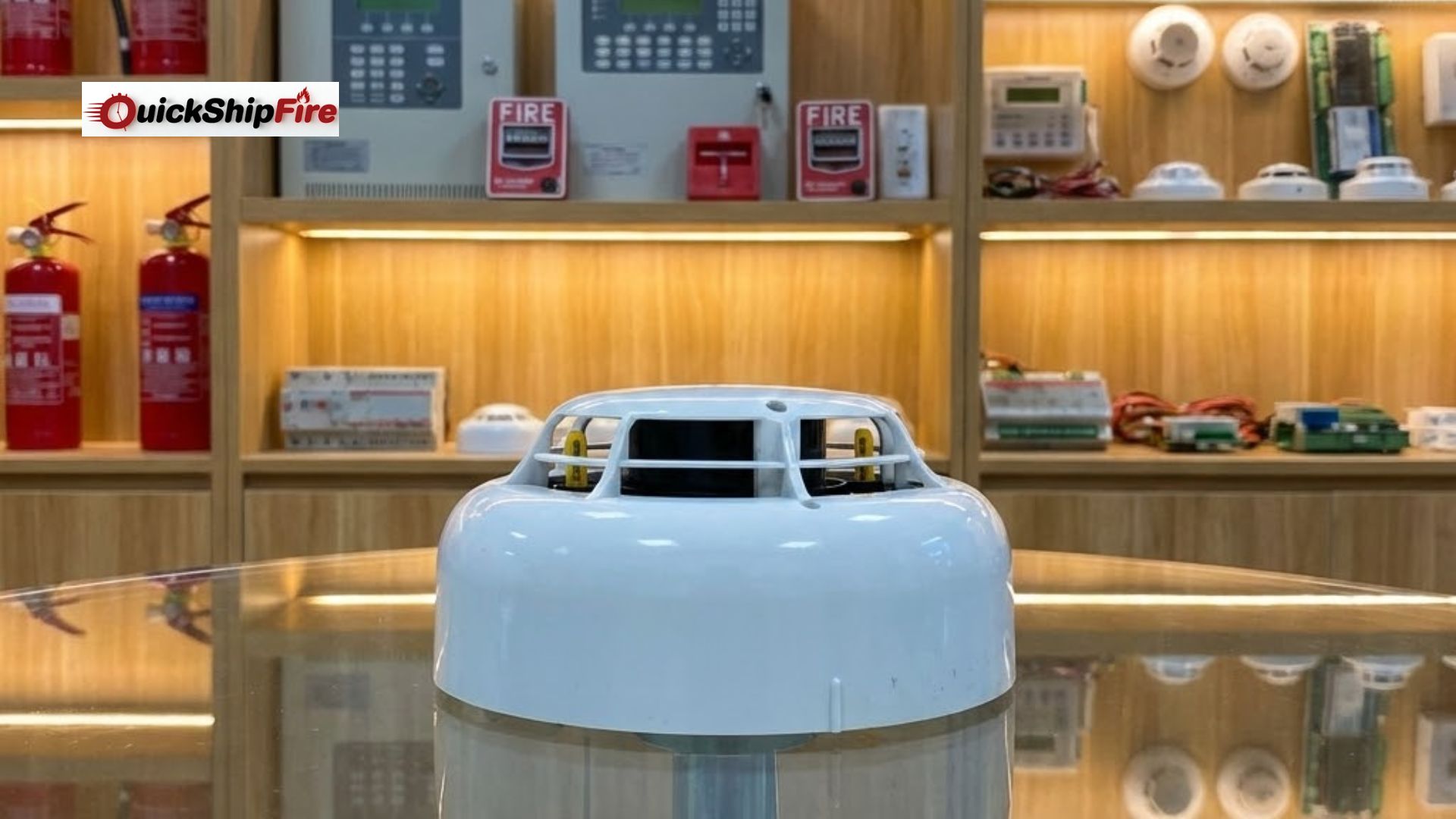
The first time I worked on a large approved vendor fire program, I realized pretty quickly how picky these systems can be. Nothing slides. Every device, every part, every listing matters. That’s where SD505-PHOTO comes into the picture. It’s not just another detector it’s one of those models that keeps showing up on approved lists, job after job, for a reason.
Honestly, when you’re dealing with hospitals, government buildings, large campuses, or national retail chains, you don’t get to “try something new just to see.” You use what’s proven. From my experience, approved vendor programs are built around consistency and trust. And that’s exactly why this model keeps getting specified.
Why Approved Vendor Programs Are So Strict
If you’ve never worked under an approved vendor fire detection program, it can feel a little intense. Everything is pre-approved. Brands, models, wiring methods, even how documentation is submitted. It’s not about being difficult it’s about reducing risk and keeping systems standardized.
When a device like SD505-PHOTO is already part of that approved ecosystem, life gets easier. Engineers trust it. Inspectors recognize it. Service teams know how it behaves in the field. That saves time and avoids a lot of back-and-forth.
To be frank, I’ve seen projects delayed for weeks just because someone tried to substitute a non-approved device. It’s not worth the headache.
Built for Real Commercial Environments
Commercial buildings are messy. Dust, airflow changes, renovations, temperature swings — all of it affects detection. A detector that works fine in a clean office might struggle in a warehouse, hospital corridor, or mechanical space.
That’s where SD505-PHOTO tends to shine. It’s designed to hold up in environments that aren’t perfect. I’ve seen it installed in places where other devices were constantly being cleaned, reset, or replaced. Less nuisance, more stability. That matters when you’re managing hundreds or thousands of points across a site.
Consistency Across Large Portfolios
One big reason approved vendor programs like consistency is training. When technicians see the same device across multiple sites, they get faster and more confident. They know how to test it, troubleshoot it, and explain it to inspectors.
Using SD505-PHOTO across multiple facilities creates that kind of familiarity. It’s one less variable in an already complex system.
Integration with Addressable Systems
Most modern approved programs rely on addressable technology. It’s not enough to know that “a detector” went into alarm. You need to know exactly which one, where it is, and what it’s connected to.
That’s where setups involving an Individually Addressable Manual Fire Alarm device come into play. These systems are built around knowing the exact source of an event, whether it’s a smoke detector, pull station, or other input.
In projects I’ve been on, mixing detectors like SD505-PHOTO with an Individually Addressable Manual Fire Alarm setup gives operators way better visibility. You’re not guessing. You’re responding with real information.
And yes, inspectors love that too.
Read more : Reliable Fire Alarm Control Panels for Commercial Buildings
The Role of Relays and System Control
Let’s talk about system control for a second. Detection is only half the story. What happens after detection is just as important. HVAC shutdowns, door releases, elevator recall all of that depends on proper signaling.
That’s where a fire relay becomes critical. In real life, I’ve seen projects fail inspections not because detection was wrong, but because relay logic wasn’t set up properly.
When SD505-PHOTO is part of a system that includes a fire relay, it helps tie detection directly into building response. That connection is what turns a signal into real action. It’s not just about knowing there’s smoke. It’s about controlling how the building reacts.
Why Engineers Keep Specifying It
Engineers are creatures of habit and for good reason. Once they find a device that works, passes inspections, and causes fewer service issues, they tend to stick with it.
I’ve noticed SD505-PHOTO popping up again and again in specs for healthcare, education, and multi-site corporate projects. It’s not flashy. It’s dependable. And in fire protection, dependable beats fancy every time.
Another thing? Documentation. Approved vendor programs are paperwork-heavy. Submittals, cut sheets, listings, approvals. Having a device that’s already well-documented makes life way easier for everyone involved.
Real-World Field Experience
From my experience, the true test of any device is what happens six months or a year after install. Is it still clean? Is it still stable? Are there constant trouble signals?
With SD505-PHOTO, I’ve seen fewer nuisance issues compared to some cheaper alternatives. That doesn’t mean it’s perfect nothing is but it holds its own in tough environments.
One hospital project stands out. They had strict vendor requirements, addressable systems everywhere, and heavy airflow. After switching to this model, their nuisance alarm calls dropped noticeably. That kind of feedback sticks with you.
How It Fits into National Programs
Approved vendor programs aren’t just about one building. They’re about hundreds of locations that all need to follow the same rules. That’s why devices like SD505-PHOTO become go-to choices.
When paired with systems that include Individually Addressable Manual Fire Alarm devices and properly configured fire relay logic, you get a setup that scales. One site, ten sites, or a hundred sites the behavior stays predictable.
Predictability is huge when you’re managing fire systems at scale.
Training and Service Benefits
There’s also a people side to this. Technicians are more confident when they see familiar equipment. Service managers can stock fewer spare parts. Training programs become simpler.
Using SD505-PHOTO across approved vendor sites means fewer surprises in the field. And let’s be real surprises in fire alarm work usually mean delays, extra costs, and unhappy clients.
Compliance Without Constant Rework
Approved vendor programs change, but not as often as you might think. Once a device is accepted and proven, it tends to stay in the program for a while.
That’s another reason SD505-PHOTO holds value. It reduces the chance that you’ll have to rip out and replace devices just because specs changed or approvals were updated.
That stability matters for long-term budgeting and planning.
FAQs
Is this model commonly accepted in approved vendor programs?
Yes, that’s one of its biggest strengths. It’s already familiar to many engineers and inspectors.
Does it work well with addressable systems?
Absolutely. It pairs well with Individually Addressable Manual Fire Alarm setups for precise identification.
How does it handle HVAC and system control?
When tied into a fire relay, it supports proper system response like shutdowns and recalls.
Is it hard to maintain?
From what I’ve seen, maintenance is pretty straightforward compared to some other models.
Does it reduce nuisance alarms?
In many environments, yes. It’s generally more stable than cheaper alternatives.
Is it good for multi-site programs?
That’s actually where it shines. Consistency across sites is a big plus.
Conclusion
Approved vendor fire detection programs aren’t forgiving. They reward consistency, proven performance, and reliability over time. That’s why SD505-PHOTO keeps showing up in specs and installations. It’s not about hype. It’s about trust built over real projects, real inspections, and real-world use.
When a device earns its place in strict programs, that says a lot. And from what I’ve seen in the field, this one has done exactly that.