
Introduction
Fire safety inside HVAC systems is one of those things most people never see, but contractors think about it every day. I have seen how Duct smoke detectors become a serious talking point when inspections come close. Nobody wants a red tag at the end of a long project. These devices are not just code items, they are peace of mind, even if people do not say it loudly.
When a system is done right, it stays quiet for years. When it is done wrong, everyone remembers. That is why this topic matters more than it sounds.
Understanding U.S. Fire & Mechanical Code Expectations
Why Codes Are So Strict
U.S. fire and mechanical codes are written after real fires, real losses, and real mistakes. Duct smoke detectors are required because smoke can travel fast through ductwork, faster than people expect.
Codes focus on:
- Early smoke detection inside air systems
- Automatic system response
- Clear signals to fire alarm panels
Missing one detail can delay approvals, and that delay costs money.
How Inspectors Usually Look at Installations
Inspectors often start with placement, wiring, and labeling. If Duct smoke detectors look familiar and properly installed, inspections go smoother. Familiar products reduce questions, and that helps everyone.
How Duct Smoke Detectors Actually Protect Buildings
The real job of smoke detectors is simple, but very important. They sense smoke moving through HVAC ducts and send a signal before smoke spreads everywhere.
They help by:
- Stopping air handlers when smoke is detected
- Reducing smoke spread between zones
- Supporting fast evacuation decisions
In large buildings, this early warning makes a huge difference.
Installation Experience From a Human Point of View
Installers do not want complicated work, especially on ladders or tight ceilings. Duct smoke detectors that mount easily are always preferred. A good install feels calm, not rushed.
Things installers care about:
- Easy alignment on duct walls
- Clear wiring terminals
- Stable mounting without shaking
When things fit well, people feel confident walking away from the job.
The Role of the Duct Detector in HVAC Safety
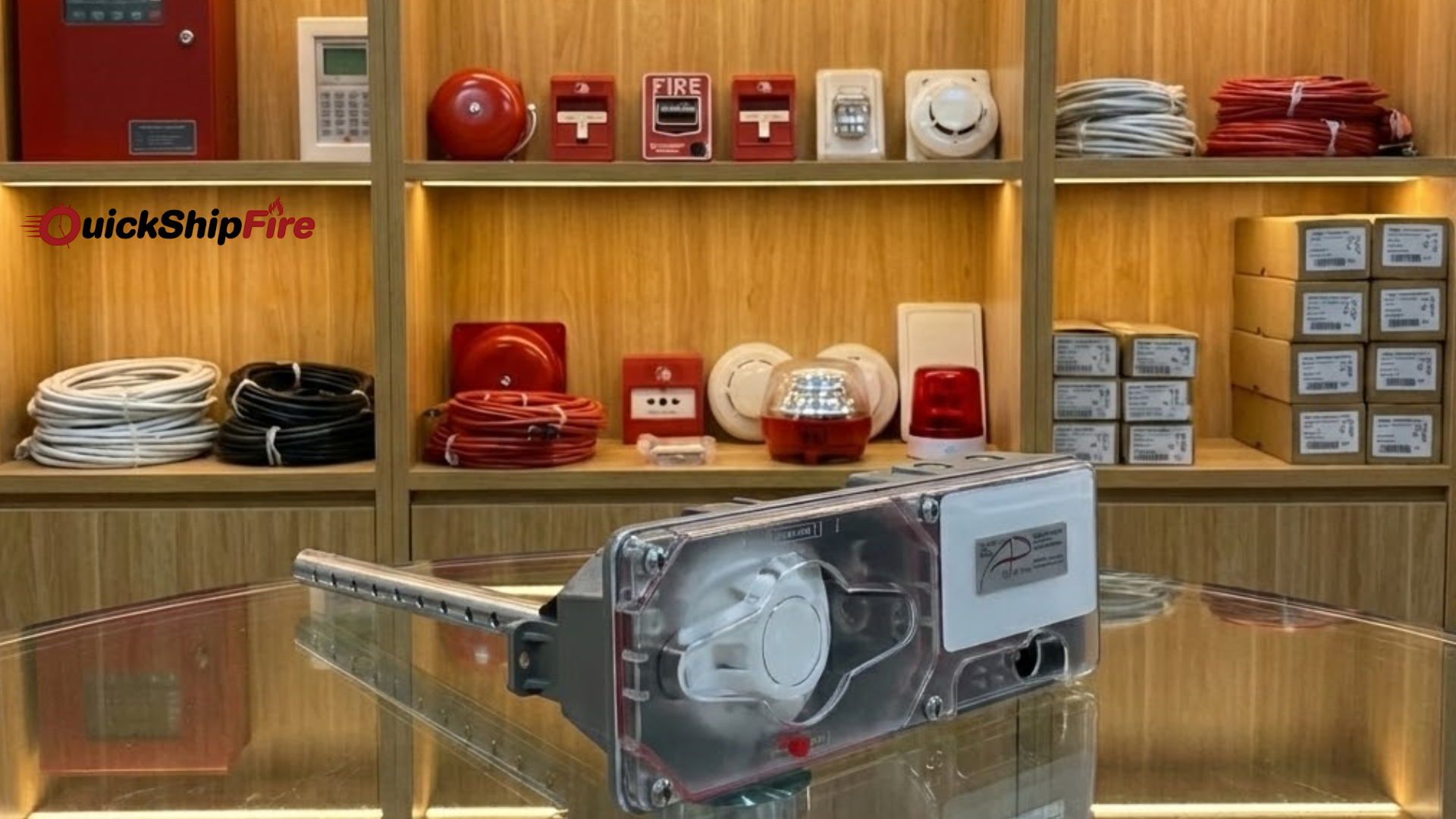
A duct detector is more than a sensor, it is a communication tool. It talks to the fire alarm panel and tells it something is wrong. When paired correctly, it becomes part of a bigger safety system.
Contractors often say that once a duct detector is installed properly, it is almost forgotten. That is actually a good thing in fire protection.
Read more ; Duct Detector Meet U.S. Fire Code Standards with Trusted Detection
Why Duct Sensor Housing Matters More Than Expected
Small Part, Big Impact
The duct sensor protects the detector and positions it correctly inside airflow. Without the right housing, performance drops.
Good housings help with:
- Correct air sampling
- Protection from dust buildup
- Easier maintenance access
Many installers reuse the same housing style because it just works.
Maintenance and Long-Term Reliability
Maintenance teams appreciate Duct smoke detectors that behave predictably. False alarms cause frustration and distrust. A stable detector builds confidence over time.
Maintenance usually includes:
- Visual inspection
- Functional testing
- Light cleaning when needed
Simple steps, but very important for long life.
Emotional Side of Choosing the Right Equipment
People do not talk much about emotions in fire protection, but they exist. Choosing Duct smoke detectors that meet code feels like choosing safety over shortcuts. Nobody wants regret later.
Contractors often stick with products they trust because trust feels safe. That feeling matters on large commercial projects.
Common Applications in Commercial Buildings
You will see Duct smoke detectors installed in many places:
- Office towers
- Hospitals
- Schools
- Shopping centers
- Industrial facilities
Anywhere HVAC moves air, smoke detection becomes critical.
Why Inspectors Prefer Familiar Systems
Inspectors are human too. When they see Duct smoke detectors they recognize, inspections move faster. Familiar layouts reduce confusion and repeated testing.
This saves time for:
- Contractors
- Building owners
- Safety officials
Everyone benefits when systems look correct at first glance.
FAQs
Are Duct smoke detectors required by U.S. codes?
Yes, in many commercial HVAC systems, Duct smoke detectors are required to meet fire and mechanical code standards.
Where should duct detectors be installed?
A duct detector is usually installed in supply or return ducts where smoke would travel quickly through the system.
Do duct sensor housing units affect performance?
Yes, a proper duct sensor housing ensures correct airflow sampling and protects the detector from dust and vibration.
How often should these systems be tested?
Testing schedules depend on local codes, but Duct smoke detectors are commonly tested annually or as required by authority having jurisdiction.
Can false alarms be reduced?
Proper installation, clean duct sensor housing, and regular checks help Duct smoke detectors stay reliable without nuisance alarms.
Do inspectors focus heavily on duct smoke detection?
Yes, inspectors pay close attention to smoke detectors because they directly impact smoke spread control.
Final Thoughts
At the end of the day, Duct smoke detectors are not just devices mounted on metal ducts. They represent responsibility. They protect people who never see them and never think about them.
When systems meet U.S. fire and mechanical codes, everyone sleeps better. Contractors feel proud, inspectors feel confident, and building owners feel safe. Choosing the right setup, with the right duct detector and duct sensor housing, is not just smart, it feels right.
Doing it correctly the first time saves stress later, and that alone makes the effort worth it.