
Introduction
Fire safety in commercial buildings is something people often think they understand, but then there are parts that get missed. HVAC systems are one of those parts. Air moves fast through ducts, faster than most people realize, and when smoke gets inside that airflow, it can travel across floors in minutes. That is why Duct smoke detectors are not just a nice extra. They are required, trusted, and honestly, they bring a bit of calm to anyone responsible for building safety.
When I first learned about how smoke spreads through HVAC systems, it surprised me. Fire may start in one small area, but smoke goes everywhere. Duct smoke detectors exist to stop that from happening, or at least slow it down enough to protect people. And yes, choosing UL-Listed models matters more than many think.
What Are Duct Smoke Detectors and Why They Matter
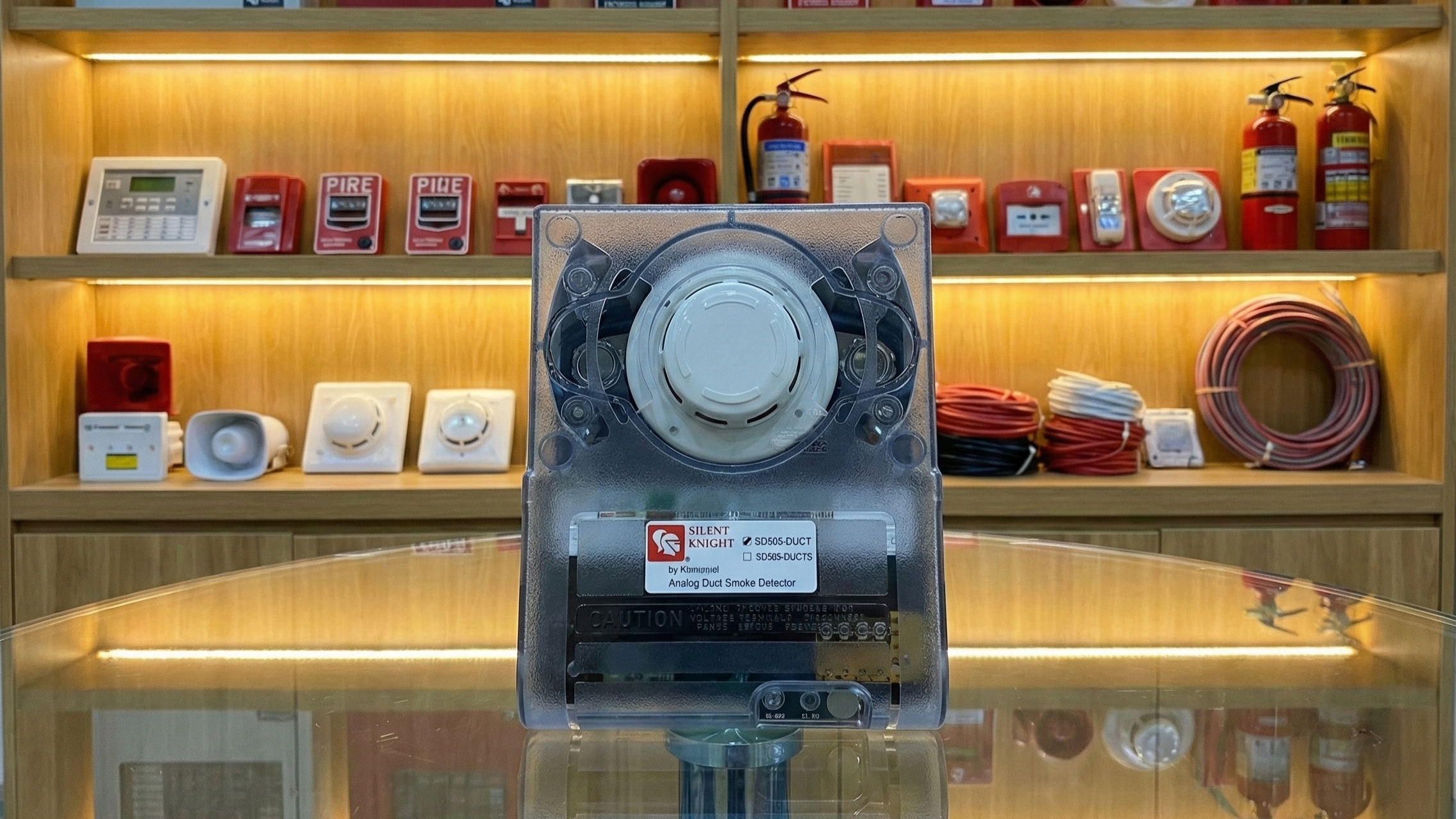
Duct smoke detectors are devices installed directly into HVAC ductwork. Their job is simple in theory, but very serious in real life. They sense smoke moving through the duct and then signal the system to respond. That response can include shutting down fans, stopping air circulation, or triggering alarms connected to the fire alarm system.
Without them, smoke can quietly move into offices, hallways, or rooms where no fire is visible yet. That is a scary thought, especially in schools, hospitals, or office buildings full of people who have no idea something is wrong.
Why UL-Listing Is Not Just a Label
People sometimes see UL-Listed on products and think it is just another sticker. It is not. UL-Listing means the device has been tested for safety, reliability, and performance under real conditions. When inspectors come, they check for this. Insurance companies care about it too.
Using UL-Listed smoke detectors helps avoid problems during inspection. More than that, it shows you care about doing things the right way. Cutting corners in fire safety usually comes back later, and not in a good way.
How Duct Smoke Detectors Actually Work
Inside these detectors are sensors designed to notice smoke particles moving with the airflow. When smoke is detected, the system reacts. That reaction can be automatic and fast. Some common actions include:
- Shutting down the HVAC fan to stop smoke spread
- Activating alarms or alerts
- Sending signals to the fire alarm control panel
It is not loud or dramatic at first, but that quiet action is what saves lives. The goal is to control smoke before it becomes chaos.
Where Duct Smoke Detectors Are Installed
Placement matters a lot. Smoke detectors are usually installed in:
- Return air ducts
- Supply ducts connected to large air handling units
- Ducts serving multiple floors or zones
A certified installer will study airflow patterns before installing. This is not a one size fits all job. A badly placed detector may miss smoke or give false alarms. Neither is good.
The Human Side of HVAC Fire Safety
I have talked to facility managers who lose sleep worrying about safety. It is a real feeling. When you are responsible for hundreds of people, safety becomes personal. Installing proper Smoke detectors gives peace of mind. You know that smoke will not silently move through vents while people sit unaware.
It is not just about passing inspections. It is about knowing you did something right. That matters more than people admit.
Common Mistakes People Make
Even good systems can fail if mistakes are made. Some common issues include:
- Poor sealing around the detector housing
- Sampling tubes installed the wrong way
- No access panel for testing
- Forgetting regular maintenance
These mistakes reduce the effectiveness of Smoke detectors. Using trained professionals avoids most of these problems.
Maintenance Is Not Optional
Fire safety does not stop after installation. Duct smoke detectors need regular testing and cleaning. Dust builds up. Filters clog. Systems change over time.
Most standards recommend:
- Visual inspection twice a year
- Functional testing at least once a year
- Cleaning as needed
Skipping maintenance can cause false alarms or worse, missed detection.
Choosing the Right Duct Detector for Your System
Consider the specifics of your HVAC type. A large HVAC system will require a detector that is rated for higher airflow rates versus smaller systems which may have other requirements.
It’s also critical to understand whether or not the detector will work with your existing fire alarm system as not all duct detectors are compatible with all fire alarm systems. Always verify the duct detector’s compatibility with your fire alarm system prior to purchasing.
Buying Online With Confidence
Buying safety equipment online feels risky to some people. I understand that feeling. But trusted suppliers make it simple. Clear product details, UL-Listings, and fast shipping help contractors and managers stay on schedule.
When you buy Duct smoke detectors online, you can compare options easily. That saves time and stress. It also helps when you need replacements quickly.
Read More : Purchase HVAC Duct Detectors for Code-Approved Safety
Why Commercial Buildings Cannot Ignore This
Commercial HVAC systems move large volumes of air. Smoke moves with it. Without Smoke detectors, smoke spreads faster than fire sometimes. That is why codes require them. That is why inspectors look for them. And that is why ignoring them is risky.
This is one area where doing nothing is never the right choice.
FAQs
1. Are smoke detectors legally required?
Smoke detectors are generally mandatory due to building and fire codes for commercial HVAC systems exceeding designated airflow limits in each state. Check local codes for specific requirements.
2. What is the frequency of testing smoke detectors?
Most smoke detector industry standards call for annual functional testing, while also conducting semi-annual visual inspections. Regular system maintenance is necessary for reliability.
3. Can a duct smoke detector be responsible for false alarms?
Yes, if not installed properly, or not maintained. Installing the device correctly and keeping the device clean can significantly reduce the likelihood of false alarms.
4. What distinguishes a duct detector from other types of smoke detectors?
A standard duct detector monitors open areas while a duct smoke detector monitors airflow within an HVAC duct to prevent the spread of smoke.
5. Does a duct smoke detector automatically engage shut-down of an HVAC system?
Yes, when a duct smoke detector is installed correctly, the device can signal the HVAC system to shut down fan motors and prevent airflow; stopping flow of smoke as well.
6. Can I install duct smoke detectors without professional assistance?
it is highly recommended you have a professional install duct smoke detectors. If a duct smoke detector is installed incorrectly, it will not work as effectively and/or may fail inspection.
Final Thoughts
At the end of the day, buying UL-Listed Duct smoke detectors is one of those decisions that feels small but has big impact. Smoke does not wait, and neither should safety planning. When your HVAC system is protected, your people are protected too.
If you are responsible for a commercial building, take the step. Install the right system. Maintain it. And rest a little easier knowing you did the right thing.