
Introduction
When contractors work on critical projects, they already know one thing very clearly, fire safety is not a place to experiment. Mistakes here cost more than money, they cost trust, time, and sometimes lives. That is why Duct smoke detectors are often chosen again and again on serious commercial and industrial jobs. This choice is not random. It comes from real job site experience, inspections, and long days dealing with systems that must work without excuses.
Contractors usually say the same thing in different words. If smoke enters the HVAC system and nobody knows, the danger grows fast. Duct smoke detector are built to stop that exact problem. They watch the airflow, not just the room, and that makes a big difference in real buildings.
Understanding the Role of Duct Smoke Detectors
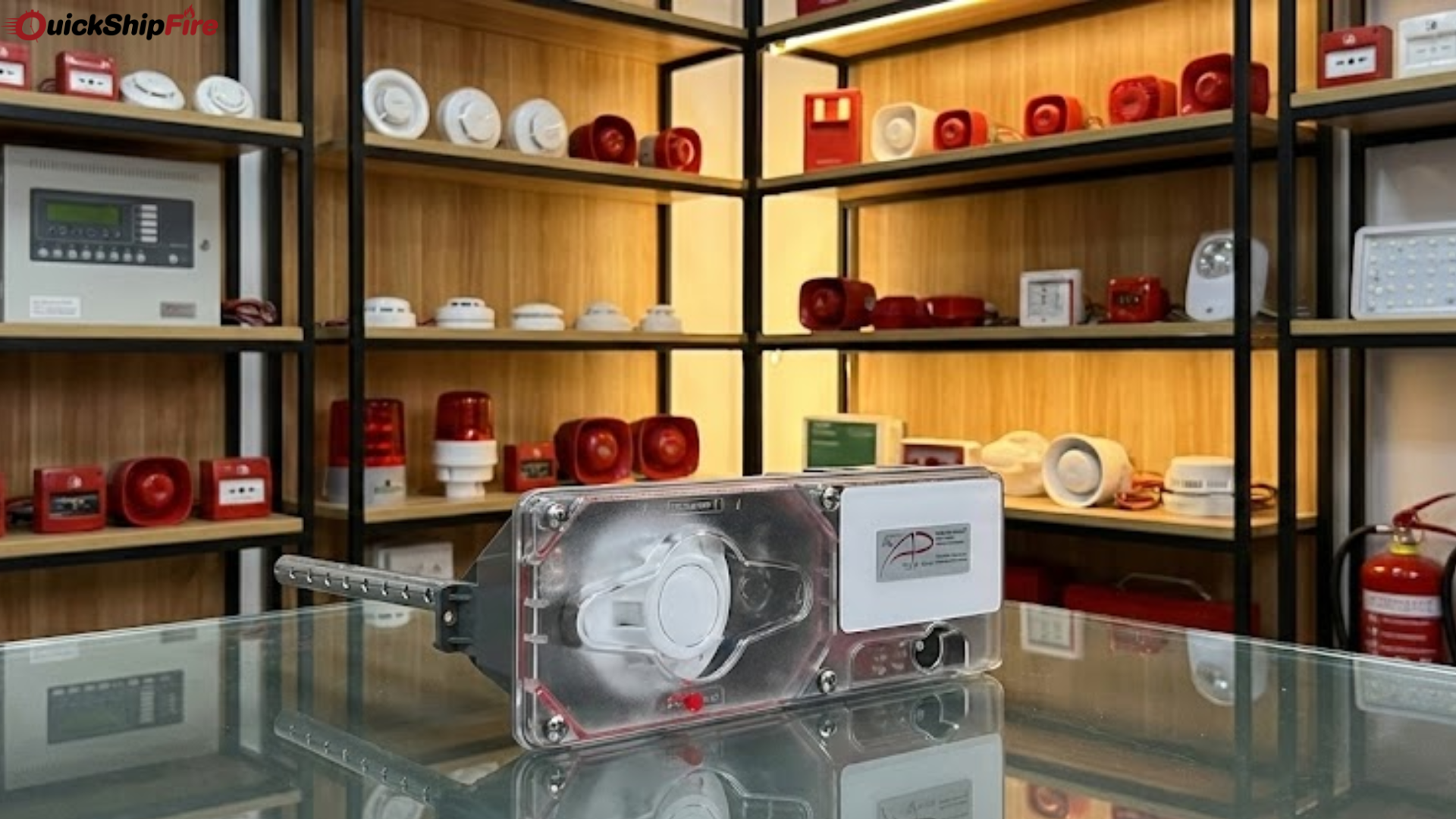
In simple terms, Duct smoke detector sit inside or along HVAC ducts and check the air moving through them. Smoke can travel fast inside ductwork, sometimes reaching other floors before people even smell it. Contractors see this risk clearly, especially in hospitals, offices, and large residential buildings.
What makes Duct smoke detectors important is how early they react. They do not wait for smoke to fill a room. They catch it while it moves through the system. That early action gives fire alarm systems time to shut down fans, close dampers, and warn people.
Many contractors feel better knowing Duct smoke detector are watching the parts of the building nobody can see.
Why Contractors Trust Them on Critical Projects
Early Control of Smoke Spread
One main reason contractors choose Duct smoke detectors is control. Once smoke is inside the HVAC system, it becomes harder to manage. These detectors help stop smoke before it spreads everywhere. That alone can save a building from major damage.
Code Compliance Without Stress
Most commercial fire codes require Duct smoke detector in specific HVAC setups. Contractors do not want arguments during inspections. Using approved Duct smoke detector helps projects pass inspections smoothly, without rework or delays.
Reliable Performance Over Time
The contractors create buildings to allow their contractors to ensure years of reliability. Duct smoke detectors have proved reliable in performance and experience over many years. They are not likely to fail when installed correctly and have a reliable maintenance schedule. The long-term reliability and dependence upon duct smoke detector have provided the industry with excellent long-term relationships with their contractors.
Installation Experience from the Field
Contractors often judge products by how they behave during installation. With Duct smoke detectors, the process usually feels familiar. Mounting locations are well defined, wiring makes sense, and testing procedures are clear.
When paired with a proper duct detector setup, contractors find it easier to explain system behavior to owners and inspectors. Less confusion means fewer callbacks later.
Many installers also point out that good labeling and accessible testing ports make maintenance simpler. This matters a lot once the building is occupied.
Where Duct Smoke Detectors Are Commonly Installed
Duct smoke detectors are usually placed in:
- Supply air ducts near air handling units
- Return air ducts where smoke is likely to travel
- Large duct systems serving multiple zones
Contractors avoid placing them in dusty or turbulent areas, because false alarms can cause headaches. Correct placement keeps the system calm and dependable.
In many projects, Duct smoke detector work alongside spot detectors and pull stations. Together, they form a complete safety net.
The Human Side of Contractor Decisions
Contractors are not just installers. They carry responsibility. Many of them think about the people inside the building long after the job is done. Knowing Duct smoke detectors are installed gives a sense of relief.
One contractor once said it feels better to walk away from a project knowing smoke will not silently move through vents while people sit unaware. That emotional side matters more than brochures or sales claims.
Secondary System Components and Housing
A good system is more than just sensors. Contractors pay attention to the duct sensor housing as well. Strong housings protect the detector from airflow stress and dust buildup. Poor housing can lead to false alarms or missed signals.
When combined properly, the duct detector and housing become a reliable unit. Contractors prefer systems where all parts work together without forcing adjustments on site.
READ MORE : Why Fire Alarm Panels Are Essential for Modern Building Safety
Maintenance and Long-Term Performance
Even the best Duct smoke detectors need care. Contractors usually recommend:
- Testing at least twice a year
- Cleaning sampling tubes
- Verifying signals at the fire alarm panel
- Checking airflow conditions
Buildings that follow maintenance schedules see fewer issues. Contractors like systems that are easy to maintain, because that keeps their reputation strong too.
Why Duct Smoke Detectors Stay Relevant
Technology changes, but airflow risks remain the same. Smoke still travels fast through ducts. That is why Duct smoke detector remain important even in modern smart buildings.
Contractors see them as a basic layer of protection, not an optional add-on. When used correctly, Duct smoke detectors help systems respond early and calmly, instead of reacting late and loud.
FAQs
1. Why do contractors prefer duct smoke detectors over only ceiling detectors?
Contractors know ceiling detectors may react too late if smoke spreads through HVAC systems first. Duct smoke detectors catch smoke earlier inside the airflow, which improves safety.
2. Duct Smoke Detector: A Code Requirement or Not?
In many commercial buildings, duct smoke detector are required by fire codes when HVAC systems supply multiple or large zones within the building.
3. Duct Detector Versus Regular Detector
Unlike standard smoke detectors, which detect smoke that enters through an opening (e.g., wall or ceiling), duct detectors are designed to monitor airflow within the ventilation systems or ducts of a building. Due to differing construction types, both duct detectors and standard detectors provide complementary protection from the hazards associated with fires and combustion.
4. How often should duct smoke detector be tested?
Most contractors recommend testing at least twice a year, along with regular cleaning and signal verification.
5. Does duct sensor housing really matter?
Yes. A good duct sensor housing protects the detector and ensures accurate sampling. Poor housing can reduce reliability.
6. Can duct smoke detector reduce false alarms?
When installed correctly and maintained, Duct smoke detector actually help reduce false alarms by controlling smoke spread early.
Conclusion
Contractors choose Duct smoke detectors because they solve real problems, not theoretical ones. Smoke movement through HVAC systems is dangerous and unpredictable. These detectors help stop that risk early. From code compliance to peace of mind, Duct smoke detector continue to earn trust on critical projects. They are not just equipment, they are a quiet layer of protection working behind the scenes, long after the contractor has left the site.