
Introduction
The first time I worked in a facility with seriously high airflow, I honestly did not think about how that air speed changes everything. The smoke, the pressure, the way air just rips through ductwork. It was in that kind of job where I really started to respect how important Duct smoke detectors are, especially when airflow is moving fast and hard. In places like data centers, manufacturing plants, or big commercial buildings, slow detection is not an option. High velocity means smoke travels fast, and systems need to keep up.
From my experience, this is where a lot of average setups fall short. Not because people are careless, but because high airflow is a different animal.
High-Velocity Airflow Changes the Game
Let’s be real. High-velocity systems are designed to move huge volumes of air. That is their job. But that same strength can work against you during a fire event. Smoke does not hang around politely. It gets pulled, pushed, and spread before most people even realize something is wrong.
This is why Duct smoke detectors in these environments have to be selected and installed with more thought. Standard setups that work fine in low or medium airflow can struggle when air is moving fast.
I have seen it. A system that looked great on paper, but in real life, smoke just zipped past the sampling points.
Why Sampling Matters More Than Ever
In high-velocity ducts, sampling is everything. If the detector is not pulling the right amount of air into the sensor, it can miss early smoke. That is not a small problem. That is a big problem.
This is where a properly selected duct detector setup comes in. The detector and its sampling tubes have to be matched to the duct size and airflow speed. If they are not, you might as well be guessing.
From my experience, the right setup usually includes:
- Correct sampling tube length
- Proper orientation to airflow
- Strong, consistent air draw
- Regular testing under real conditions
That is not overkill. That is just being realistic.
The Role of the Duct Sensor Housing
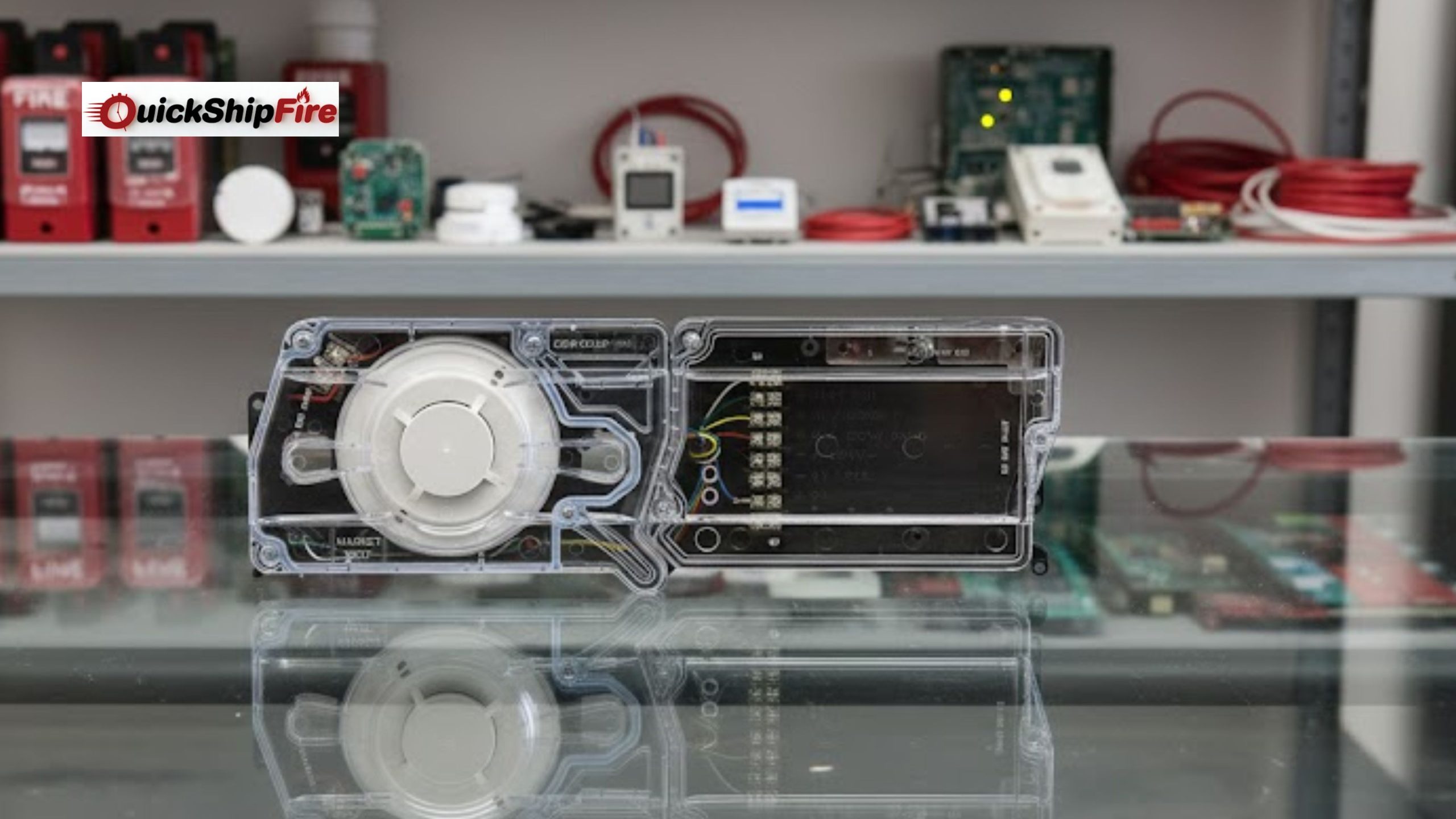
A lot of people overlook the duct sensor housing, but honestly, it matters more than they think. The housing protects the sensor, manages airflow into the chamber, and helps keep readings stable.
In high-velocity systems, vibration and pressure changes can mess with cheap or poorly mounted housings. I have seen loose housings cause false readings or slow response. That is not something you want when seconds matter.
A solid duct sensors housing does more than just hold the detector. It helps:
- Stabilize airflow into the sensor
- Protect internal components
- Reduce vibration-related issues
- Make maintenance easier
It sounds boring, but boring parts are often the ones that save you later.
Real-World Example from a Manufacturing Plant
I remember a manufacturing plant where airflow was so strong you could hear it whistle through the ducts. The first install had basic Duct smoke detectors, and on paper, it met code. But during testing, smoke took longer to register than expected.
We ended up adjusting the setup, changing tube placement, and upgrading parts of the duct sensor housing system. The difference was obvious. Response time improved, and the system felt more reliable.
To be frank, that experience changed how I look at high-velocity installs. It taught me that you cannot just copy and paste from a standard project.
High Air Speed and False Alarms
Here is something people do not always talk about. High airflow can also increase false alarms if the system is not tuned right. Dust, debris, or pressure spikes can trigger sensors if the design is sloppy.
That is where quality Duct smoke detectors and proper calibration really matter. It is not just about detecting smoke. It is about detecting the right kind of smoke at the right time.
From my experience, false alarms usually come from:
- Poor sampling tube placement
- Dirty or neglected sensors
- Loose duct sensor housing mounts
- Incorrect airflow assumptions
Fixing these is not rocket science, but it does require attention.
Read more: Duct Smoke Detectors Built for Compliance, Control & Confidence
Maintenance in High-Velocity Systems
Maintenance is a bigger deal in fast-moving air systems. Filters load faster. Dust moves more aggressively. Sensors get dirty quicker. If maintenance is skipped, performance drops. Simple as that.
I always tell facility teams that Duct smoke detectors in high-velocity systems need more frequent checks. Not because they are bad, but because the environment is harsher.
Good maintenance habits include:
- Scheduled sensor cleaning
- Regular airflow verification
- Visual inspection of sampling tubes
- Checking seals on the duct sensors housing
It is not glamorous work, but it keeps systems honest.
Choosing the Right Detector for the Job
Not every duct detector is built the same. Some are better at handling pressure changes and high airflow. Some are more sensitive, some are more stable. Picking the right one is part art, part experience.
I have seen people choose based on price alone. That usually comes back to bite them. In high-velocity setups, cheap shortcuts often turn into long-term headaches.
Good Duct smoke detectors for these systems usually offer:
- Strong air sampling capability
- Stable electronics
- Compatibility with high-pressure ducts
- Easy access for testing and cleaning
These are not luxury features. They are practical ones.
Why Testing Under Real Conditions Matters
One thing I always push for is real-world testing. Not just canned smoke in a calm environment. I mean testing while the system is running at full speed.
You would be surprised how many issues show up only when airflow is at maximum. That is when weak designs get exposed.
When Duct smoke detectors are tested under true operating conditions, you get a much clearer picture of how they will perform during an actual event.
FAQs
Do high-velocity ducts need special detectors?
Yes, in many cases. High airflow can affect how smoke is sampled, so choosing the right model and setup is important, especially when using Duct Smoke Detectors in fast-moving air systems.
How often should these systems be maintained?
From my experience, more often than low-speed systems. High airflow moves more dust and debris, which means Duct Smoke Detectors can get dirty faster and need more frequent checks.
Can a standard duct detector work in high airflow?
Sometimes, but it is risky. A properly selected duct detector designed for higher speeds is usually a safer choice, particularly when you’re relying on Duct Smoke Detectors to catch smoke early.
Does duct size affect detector performance?
Absolutely. Larger ducts and faster air both impact how sampling works, which directly affects how well Duct Smoke Detectors can sense smoke moving through the system.
Is housing really that important?
Yes. A solid duct sensor housing helps protect the sensor and stabilize airflow into it.
Should testing be done at full airflow?
Always. That is when real issues show up.
Conclusion
At the end of the day, high-velocity systems are tough environments. They move air fast, and smoke moves with it. That is why choosing, installing, and maintaining Duct smoke detectors for these applications takes more than just following a checklist. It takes experience, attention, and a bit of common sense. When it is done right, the system feels solid. When it is not, you usually find out the hard way.