
Introduction
When people think about fire safety, they usually picture smoke alarms on ceilings or pull stations near exits. But what many forget, or never even think about, is the air moving inside buildings every second. That air travels through ducts, quietly, constantly.If smoke enters that system, it can spread faster than anyone expects. This is exactly why a duct detector matters so much in modern buildings.
I have seen many facilities focus on visible safety equipment, while the hidden spaces stay ignored. That always feels risky to me. A duct detector is not something flashy, but it plays a serious role in protecting lives, property, and peace of mind.
Why Ductwork Needs Dedicated Smoke Monitoring
Air handling systems move smoke quickly from one area to another. Without proper detection, smoke from a small fire can travel through ductwork and reach offices, hospital rooms, or hotel floors before anyone smells it. This is one reason codes and inspectors insist on proper duct monitoring.
A duct detector is designed to sample air inside HVAC systems and detect smoke early, sometimes even before it reaches occupied spaces. When I learned how fast smoke travels through ducts, it changed how I looked at building safety.
How a Duct Detector Works Inside HVAC Systems
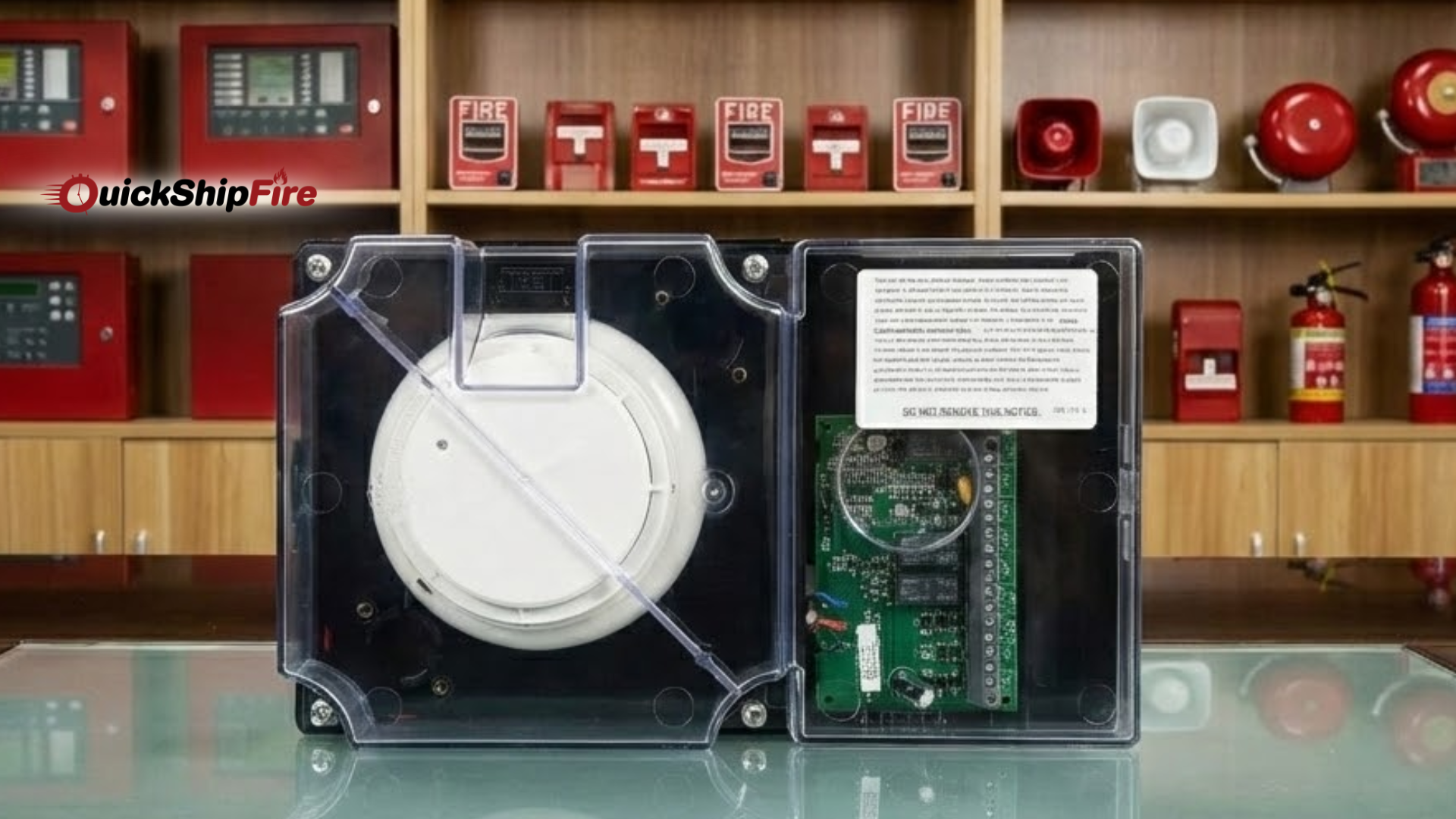
At a basic level, a duct detector uses sampling tubes that pull air from inside the duct into a sensing chamber. If smoke particles are present, the detector reacts and sends a signal to the fire alarm control panel.
What I like about this design is that it does not wait for smoke to escape into rooms. It looks directly where the air is moving. Air handlers may be turned off or alarm systems activated based on these early warnings of the intent to smoke as smoke is faster moving when detected by an air handler. The intent to smoke is determined through the use of a duct smoke detector with a photoelectric sensing capability, which is effective for detecting smoke at a slow spreading rate often seen in the duct environment.
Where Duct Detectors Are Commonly Installed
You will usually find a duct detector installed in:
- Commercial office buildings
- Hospitals and healthcare facilities
- Shopping malls and retail spaces
- Industrial plants
- Schools and universities
These places rely heavily on HVAC systems. A failure to detect smoke inside ductwork can affect dozens or even hundreds of people at once.
From my experience, facilities with large air handlers benefit the most from installing reliable duct monitoring early, instead of waiting for an inspection issue to force changes.
Code Compliance and Safety Expectations
Fire codes across the United States require duct monitoring in many applications. Inspectors look for correct placement, proper airflow direction, and approved equipment.
A duct detector helps facilities meet these requirements while also improving real safety, not just paperwork compliance. I have noticed that when safety equipment is installed only to pass inspection, it often ends up neglected. But when people understand its value, maintenance becomes a priority.
Some professionals prefer a System Sensor Duct Detector because of its proven performance history and compatibility with many systems. Choosing approved and listed equipment always makes long-term compliance easier.
Benefits Beyond Code Compliance
Installing a duct detector is not only about meeting rules. There are real, practical benefits that building owners notice over time.
- Early smoke detection reduces property damage
- Faster response protects occupants
- HVAC shutdown limits smoke spread
- Insurance risk may be reduced
Personally, I believe the biggest benefit is time. Early detection gives people time to act calmly instead of reacting in panic.
Choosing the Right Duct Detector for Your System
Not all buildings are the same, and not all duct systems behave the same way. Air velocity, duct size, and system layout all matter.
When selecting a duct detector, consider:
- Compatibility with your fire alarm panel
- Approved listings and certifications
- Ease of testing and maintenance
- Clear indicator LEDs
A reliable duct smoke detector should allow easy access for testing. If maintenance becomes difficult, it often gets skipped, and that defeats the purpose.
Installation Matters More Than People Think
Even the best duct detector will not work correctly if installed poorly. Sampling tubes must be the correct length and placed in the right airflow direction. Incorrect installation can cause false alarms or missed detection.
This is why professional installation is important. I have seen systems fail simply because someone rushed the job. Fire safety is not an area where shortcuts make sense.
Maintenance and Long-Term Reliability
Dust, debris, and airflow changes can affect detector performance. Regular inspection and cleaning help keep the duct detector working as intended.
Testing every few months is a good habit. Many manufacturers provide test switches or remote test stations to make this easier. A clean, properly maintained detector is far more reliable than one that gets ignored after installation.
In my opinion, maintenance is where many facilities fail, not in choosing the equipment.
The True Influence of the Right Kind of Duct Detection
I remember having a conversation with a facility manager who told me that they had a duct detector that alerted their staff to smoke that was present in a portion of a medical facility prior to smoke being detected in areas occupied by patients, therefore allowing them time to evacuate the patients in an orderly fashion, rather than causing panic. These types of situations make duct detectors seem less like hi-tech and more human.
Safety is not just about the devices that save lives, but also about the people who work in those environments each day.
FAQs
1. What is the main purpose of a duct detector?
A duct detector monitors air inside HVAC systems to detect smoke early and prevent it from spreading through ductwork into occupied areas.
2. Are duct detectors required by fire code?
In many commercial and industrial buildings, yes. Codes often require duct monitoring based on air handler size and system design.
3. Is a System Sensor Duct Detector better than other options?
Many professionals trust a System Sensor Duct Detector because of its reliability and wide system compatibility, but the most important thing is using an approved and listed model.
4. How often should a duct detector be tested?
Testing every few months is recommended. Regular checks ensure the detector responds properly and stays free from dust buildup.
5. Can a duct smoke detector reduce false alarms?
Yes, when installed and maintained correctly, a duct smoke detector can provide accurate detection with fewer nuisance alarms.
6. Does a duct detector shut down HVAC systems automatically?
In many setups, the duct detector sends a signal to shut down air handlers to limit smoke movement, depending on system programming.
Conclusion
A duct detector may not be something people notice every day, but it quietly protects buildings from one of the most dangerous fire risks, hidden smoke spread. When installed correctly, maintained regularly, and chosen wisely, it becomes a strong layer of protection that works in the background.
For me, that quiet reliability is what makes professional-grade duct monitoring worth every bit of attention it deserves.