
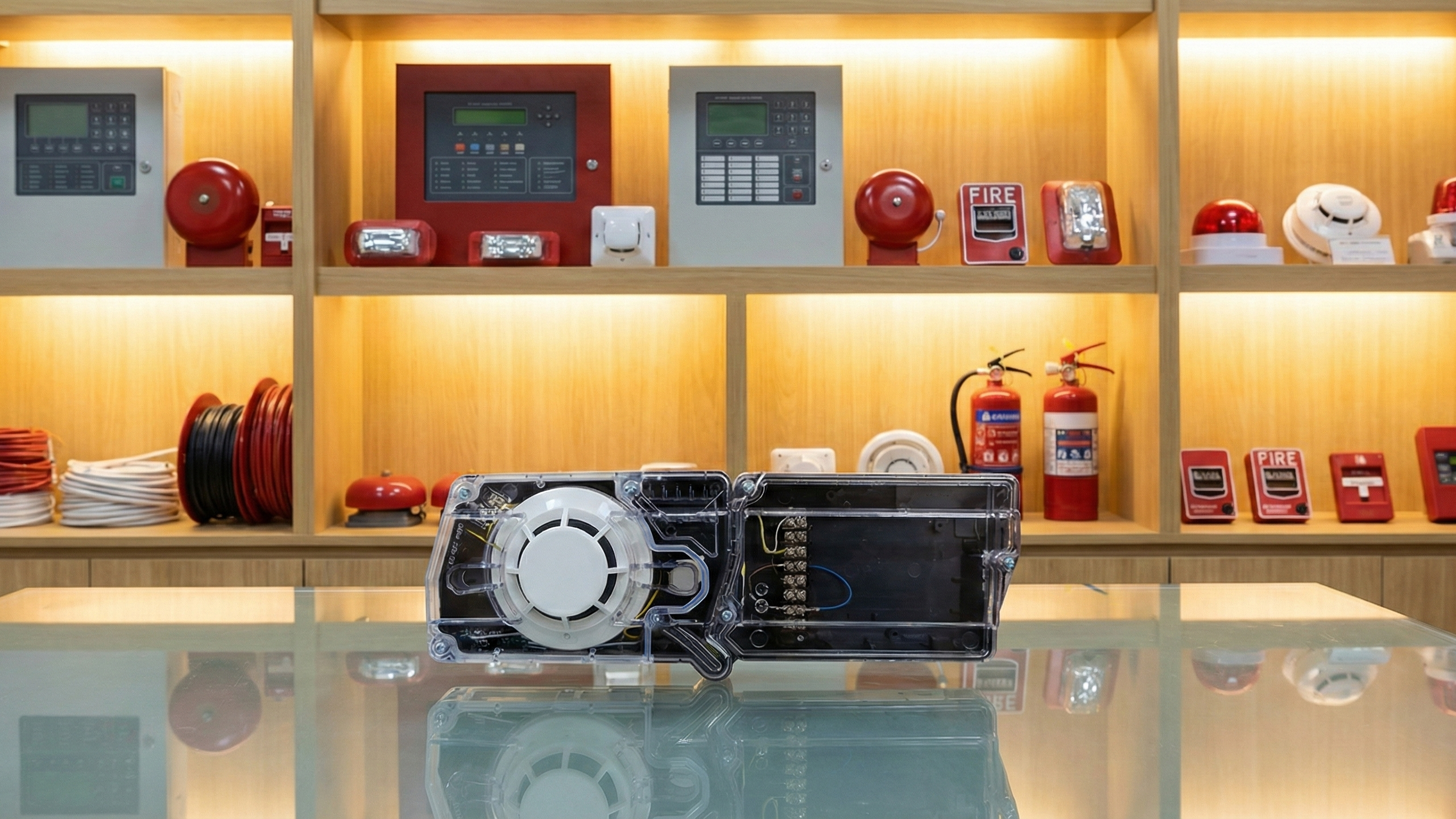
Fire safety inside HVAC systems is one of those things people do not talk about much, until something bad almost happens. I have seen this many times on job sites, especially in commercial buildings. Air ducts move air fast, and if smoke gets inside them, it spreads even faster. This is exactly why duct detectors are not optional anymore, they are needed for code-approved safety.
When you purchase the right solution for your HVAC system, you are not just checking a code box. You are protecting people, property, and your own peace of mind. That matters more than people realize.
Why HVAC Fire Safety Gets Ignored Too Often
Most fires do not start inside ductwork, but smoke almost always enters it. Once smoke enters the air system, it travels across floors, rooms, and zones very quickly. I have seen buildings fill with smoke in minutes, even when flames were small.
This is where duct detectors quietly do their job. They sit inside the HVAC system and monitor air movement all day, every day. No noise, no attention, but when smoke shows up, they act fast. That early warning is the difference between a small incident and a full evacuation.
Skipping this protection is risky, and honestly, it is not worth it.
What Duct Detectors Actually Do
Some people think these devices only sound alarms. That is not true at all. Duct detectors are designed to sense smoke and then trigger actions across the system.
They can shut down air handlers, stop smoke spread, and alert the fire alarm panel at the same time. This coordination is what makes them critical for large HVAC systems.
In many installs, they also connect with a duct smoke detector control circuit so that response is immediate. That few seconds saved is huge when people are inside the building.
Code Requirements You Cannot Ignore
Fire codes are not suggestions. They are written after many lessons learned the hard way. In commercial buildings, hospitals, schools, and large offices, duct detectors are required by code.
Authorities look for proper placement, correct wiring, and approved models during inspection. If you install something that is not listed or approved, you risk failing inspection and doing the job twice.
Many professionals prefer systems like the System Sensor Duct Detector because inspectors already trust them. That trust saves time and headaches later.
Where Duct Detectors Should Be Installed
Placement matters more than people think. Installing a device in the wrong duct section can reduce its effectiveness.
Common locations include:
- Return air ducts
- Supply ducts above a certain airflow
- HVAC units serving multiple zones
- Areas required by local fire code
Each HVAC layout is different, which is why planning is important. A duct smoke detector placed correctly will do more than five placed wrong.
READ MORE : Duct Smoke Detectors – Essential Fire Safety for HVAC and Airflow Systems
Importance of the Duct Sensor Housing
One thing many people overlook is the duct sensor housing. This part protects the sensing element and ensures proper airflow sampling.
If the housing is cheap or not sealed well, false alarms can happen. Worse, real smoke may not be detected properly. A good duct sensor housing makes sure airflow reaches the sensor evenly and accurately.
I always tell installers, do not cut corners here. This part supports the whole system.
Why Professionals Choose Code-Approved Products
Professionals do not want callbacks. They want installs that pass inspection the first time and work for years.
That is why duct detectors with UL listings and code approvals are preferred. These devices are tested under real conditions, not just lab guesses.
When you purchase approved models, you also protect yourself legally. If something ever happens, documentation matters more than opinions.
Personal Thoughts from the Field
I have been around HVAC installs long enough to see what happens when safety is ignored. One building owner once told me he skipped a detector to save money. A year later, smoke damage shut down his entire floor for weeks.
Since then, he never questions fire safety again.
Buying duct detectors is not about fear. It is about responsibility. When people are working, healing, or learning inside a building, they trust that systems are watching out for them.
Integration with Fire Alarm Systems
Modern HVAC safety works best when everything talks together. Duct detectors should integrate smoothly with the fire alarm panel.
Some systems use a System Sensor Duct Detector because of easy compatibility and stable performance. When the fire panel receives a signal, it can activate alarms, shut down fans, and alert emergency response.
This connection is where safety becomes smart, not just reactive.
Maintenance Matters More Than You Think
Installing the device is only step one. Testing and maintenance keep it reliable.
Dust, debris, and airflow changes can affect performance over time. Scheduled checks make sure duct detectors stay accurate.
Ignoring maintenance is like owning a car and never checking brakes. It works until it does not.
FAQs
Are duct detectors required by code?
Yes, in many commercial and healthcare buildings they are mandatory. Fire codes require duct detectors to control smoke spread through HVAC systems.
How often should duct detectors be tested?
Most professionals recommend testing at least once a year. Some facilities test more often depending on use and air quality.
What is the difference between a duct detector and a duct smoke detector?
A duct smoke detector refers to the sensing function, while duct detectors often include housing, relays, and system controls together.
Can duct detectors shut down HVAC systems?
Yes, they are designed to stop air handlers when smoke is detected, limiting smoke movement.
Why is duct sensor housing important?
The duct sensor housing ensures proper airflow reaches the sensor. Without it, detection accuracy can drop.
Are System Sensor Duct Detector models inspector approved?
In many regions, yes. Inspectors are familiar with System Sensor Duct Detector products because of proven reliability.
Conclusion
When you purchase HVAC safety equipment, think beyond price. Think about people inside the building and the trust placed in those systems.
Duct detectors are quiet protectors. They do not demand attention, but when smoke appears, they respond faster than humans ever could.
Choosing the right product, installing it correctly, and maintaining it properly is not just code compliance. It is doing the job right, the first time.
And honestly, that feeling of knowing your building is protected, that is worth everything.